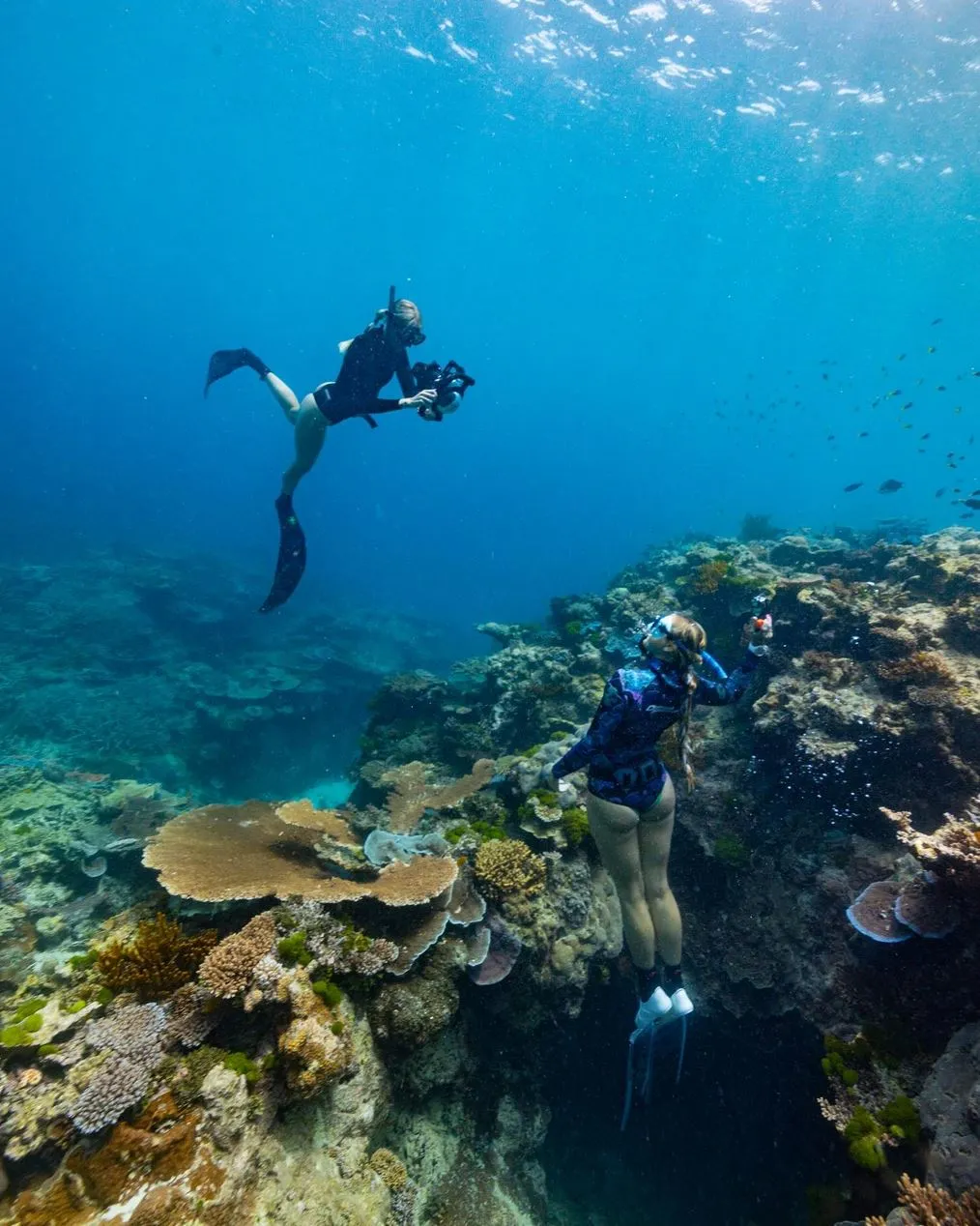
I wrote this guide on What Months Can You Swim In The Great Barrier Reef? because every traveller eventually asks the same question — usually while packing swimmers and wondering whether the tropical climate up here plays nicely with humans. The short answer is yes, you can swim year-round. Still, the real story is about water temperature, how the marine stingers drift on certain tides, and the sheer unpredictability of the weather in Tropical North Queensland. It’s a place with coral reefs, crystal-clear waters, soft corals, and marine life that’s always on the move, like some living calendar.
The Rhythms Of The Reef Before You Dive In
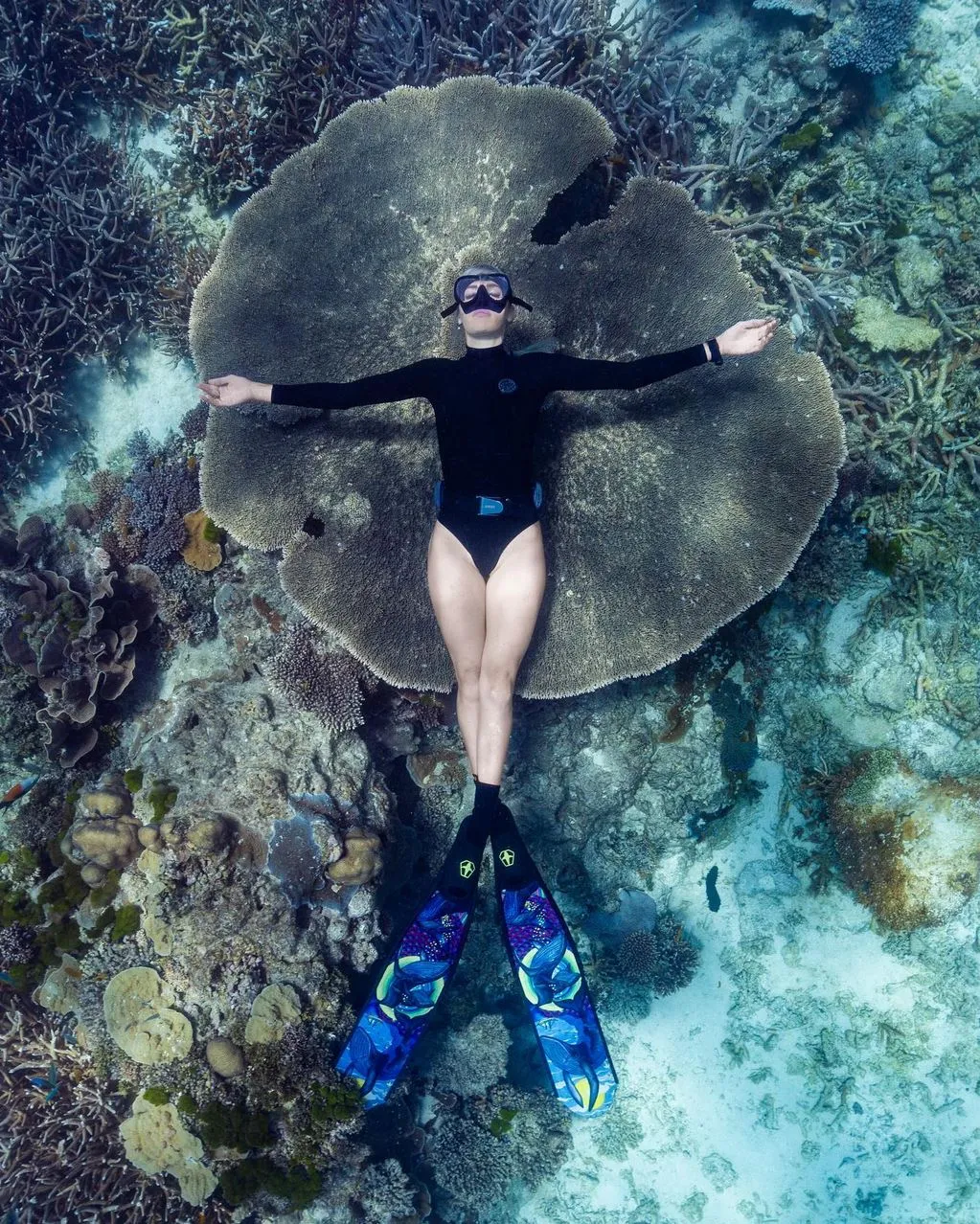
The thing is, swimming on the Great Barrier Reef gets a whole lot easier once you get your head around how the tropical climate works. Some days the waters are crystal clear, and you’ll be talking about them for years to come, but other days it’s a whole different story – maybe it’s a storm, or perhaps it’s an entire plume of plankton that makes the coral look like it’s spawning snowflakes underwater. These natural changes aren’t some hindrance – they’re actually just a part of what makes the Reef tick, and remind you that it’s a living, breathing thing that changes all the time.
Out on the outer Reef, the water temperature tends to warm up a bit earlier than you might expect, and then cools down a bit later than you might expect. It’s not just about the temperature, though – the clarity of the water has a lot to do with the wind direction, and whether you’re in the middle of a tropical monsoon or not, and how the south-easterly trade winds are behaving. The Ribbon Reefs up north really shine mid-year when things start to settle down, while the fringing reefs closer to the coast go absolutely mental with the tides and the river run-off.
Seasonal Swimming Conditions At A Glance
| Factor | Cooler Season (typically mid-year) | Warmer Season (typically late-year) |
|---|---|---|
| Water Temperature | ~23–26°C | ~27–29°C |
| Visibility | Often clearer | Variable with tropical monsoon weather |
| Marine Stingers | Lower | Higher risk (Box Jellyfish & Irukandji jellyfish) |
| Wind Strength | Calmer windows | Stronger south-easterly trade winds |
| Crowd Levels | Fewer tourists | Peak tourism season |
Data based on long-term trends in tropical North Queensland waters – and it’s all about the ups and downs of ocean life.
These natural cycles play a significant role in how marine life behaves – for example, the way little fish settle into soft corals after the wet season, or the big plankton blooms that coincide with coral spawning.
Navigating Tropical Conditions Safely
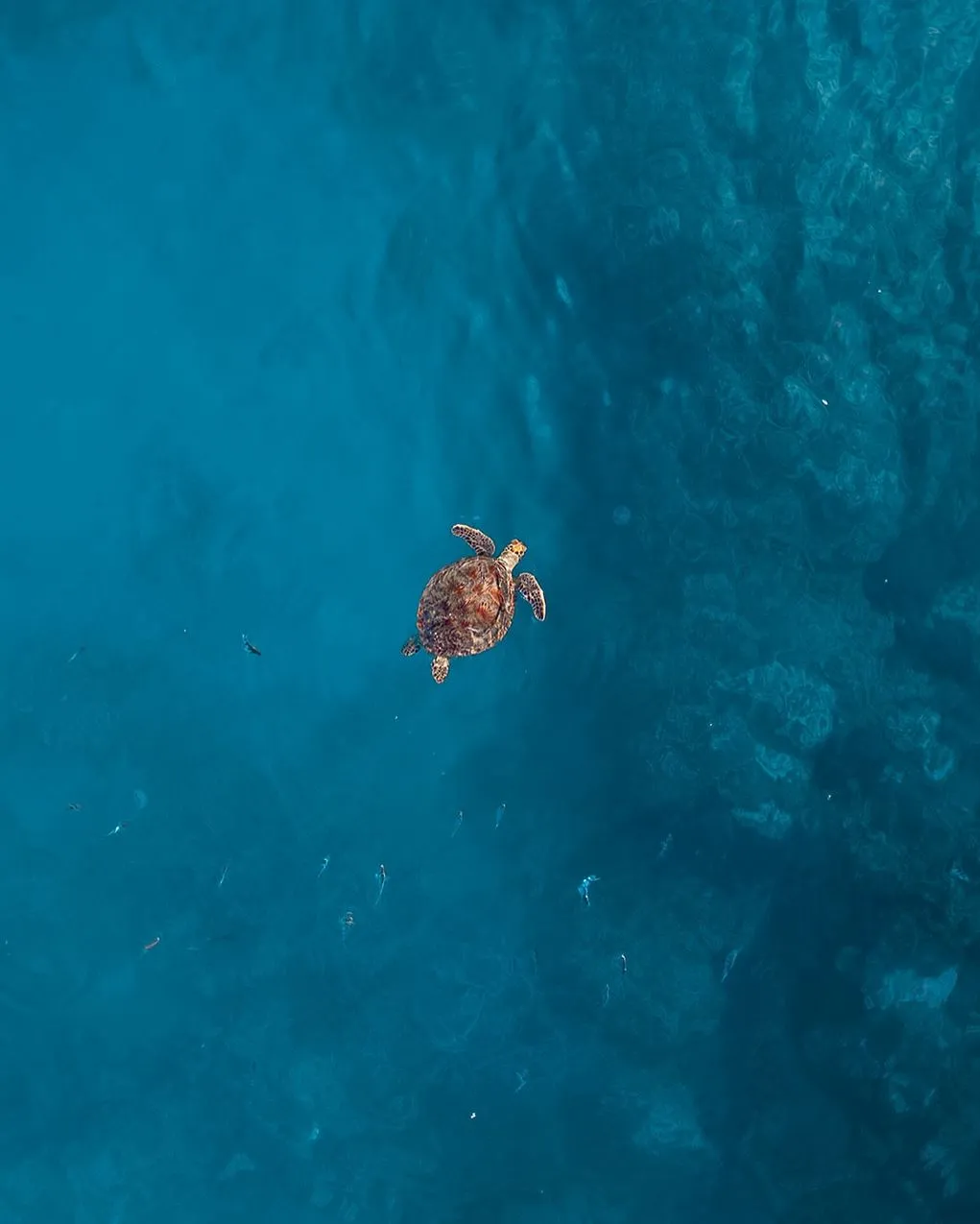
Swimming safely on the Reef actually isn’t that complicated – it’s just a matter of respecting how the Coral Sea behaves. This isn’t your local swimming pool, remember – we’re talking 2,300km of open ocean, tidal flats, rocky outcrops, channels and sand cays which can all shift when the wind blows, the moon’s in phase and the wet season hits.
Understanding what’s going on helps you steer clear of trouble:
- When stinger season sets in, you’ve got a higher chance of running into marine stingers closer to the mainland, especially the dreaded Box Jellyfish and Irukandji jellyfish.
- Offshore, it’s a bit safer, but reef operators still stick to best practice.
- The sun’s strong UV rays mean you’ll need reef-safe sunscreen – and a stinger suit or Lycra to protect you from the sun and any stings that might come your way.
- And don’t forget, tropical monsoon weather can change the surface of the Coral Sea in the blink of an eye – so listen up when the crew give you the lowdown for the day.
The thing is: the Reef itself isn’t dangerous – being unprepared is.
Safety Tips Every Traveller Needs To Know
- Stinger nets on beaches can help, but they don’t catch everything.
- A good stinger suit is your best friend during warmer months – it protects you from stings and the sun.
- Always follow the signs in Marine Park zones – the rules are in place to protect both humans and marine life.
- Trust reef operators when they tell you the visibility or currents have changed – they read the sea like a book, after all.
When you take the time to learn from local knowledge instead of trying to outsmart nature, your swim just becomes a whole lot more enjoyable.
What Stinger Season Really Means For Visitors
Every year, as tropical North Queensland waters warm, marine stingers start to appear. Box Jellyfish drift a bit closer to shore, and Irukandji jellyfish – which are smaller than your fingernail – get washed up in the currents that shift around the wet season. Offshore, on boat trips or around pontoons, the risk is lower – but don’t get complacent, the protocols are serious.
Reef crews carry first aid kits, vinegar, and emergency equipment, and have first-aid training – all thanks to guidelines from the Queensland Ambulance Service and operators. When they suggest Lycra suits, they’re not being polite – they’re genuinely keeping you safe.
A Lesson Learned The Hard Way
I’ll never forget the time I worked on a boat near Green Island one December and a tourist insisted he didn’t need protection because he wanted better photos. Ten minutes later, the breeze shifted, bringing a tide line full of stingers. Watching that same bloke sprint back to the ladder while trying not to swallow seawater taught me one valuable lesson I now pass on to everyone:
The tropics don’t hang around for anyone who gets all high and mighty – but they do reward respect.
The Calm Water Windows That Anyone Travelling Will Want
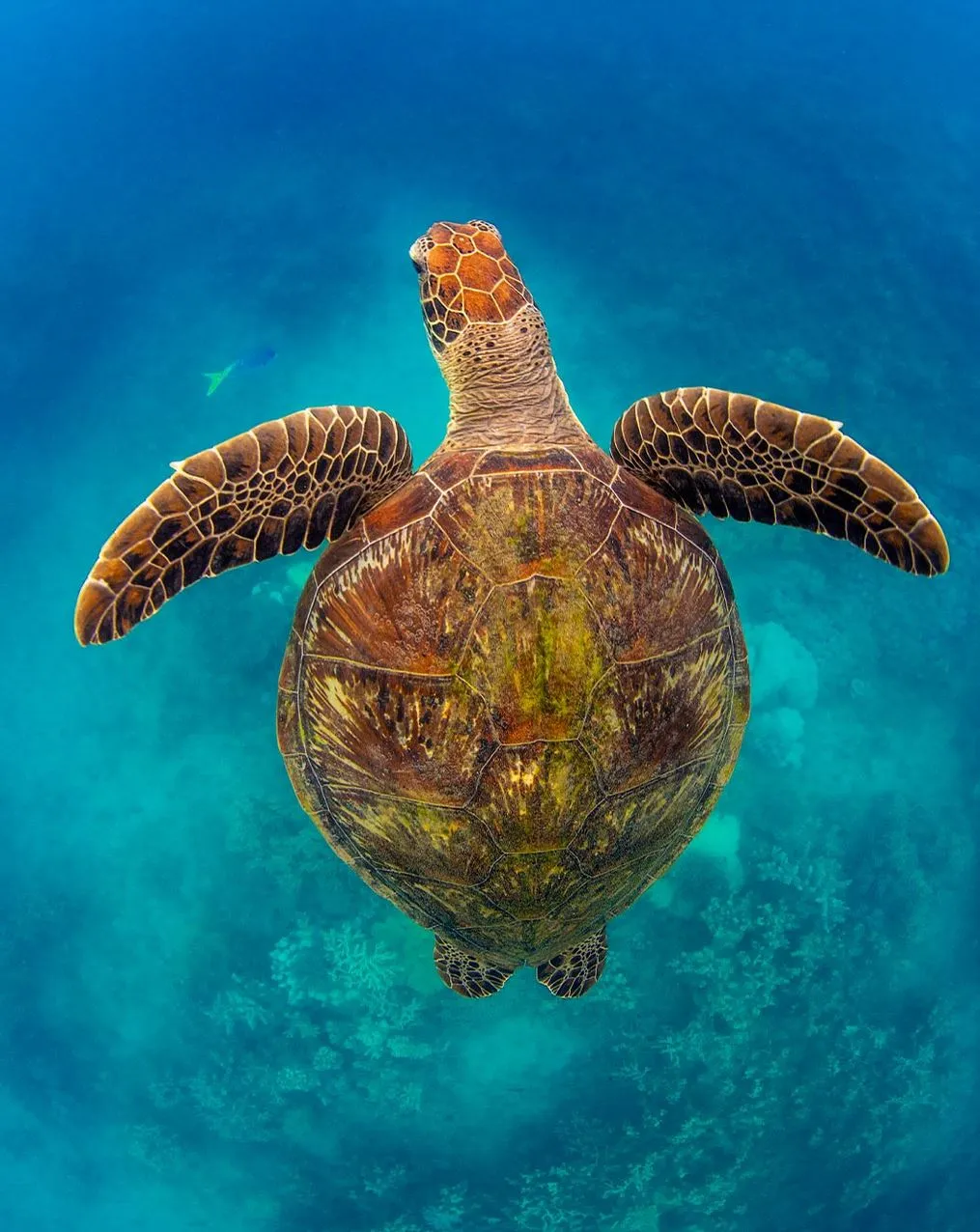
Comfort on the Reef isn’t just about when you go, it’s about the actual conditions – and that can vary big time from one month to another. Some months are way more gentle on the water and super clear, so you can sit back and watch the marine life, tropical fish and underwater world go by in style. Other days it’s like a washing machine out there – warm, but so unpredictable that even the toughest snorkeer needs to adjust their mask twice.
The things that really matter when it comes to swimming comfort:
- During parts of the year, south-easterly trade winds will sometimes chop the surface up pretty badly.
- Wet-season runoff can make coastal waters cloudy, but honestly, it often leaves the offshore reefs nice and clear.
- Coral spawning, which happens when the full moon is in, can make the water a bit murky from coral polyps – it’s a real treat to see, but not ideal for spotting fish.
- If you are dead set on having crystal-clear water and slow, easy snorkels, then talk to the reef operators – especially the ones you can trust, like Great Barrier Reef Tour – who know exactly which bits of the Marine Park are going to shine at different times.
Planning A Trip Around The Weather Patterns
The tropics don’t exactly do subtlety – when the wet season rolls in, the humidity is like a warm blanket, and the rain just comes sideways. When things are calm, the Reef is as flat as a pancake and perfect for long, slow snorkels or a leisurely boat trip out to the bommies.
Places like Lady Elliot and Heron tend to have steadier visibility, while Tropical North Queensland sees much wilder swings with the wet season. Neither is better, or worse – just different.
Practical Prep Stuff To Get Right
- Don’t even think about snorkelling without a stinger suit or a nice Lycra suit.
- reef-safe sunscreen and reapply between swims – trust me on this one.
- Pack a dry bag for when a monsoon hits.
- Keep your expectations loose – the Coral Sea doesn’t play by the tourist rules.
- Respect those Green Zones and Marine park rules all the time – they are what make this Reef still thrive.
After all these years out here, I can tell you: a traveller who is properly prepared will have twice the fun on the Reef.
Insider Tips I’ve Learned from Years of Guiding Travellers
I’ve seen conditions change in the blink of an eye – calm seas turning into a raging sea in no more than half an hour. And then at the other end of the scale, I’ve watched visitors be completely blown away by the sight of soft corals gently swaying in a calm lagoon or a thousand tiny coral polyps releasing their spawn under a full moon.
Here are the real tips that set the seasoned traveller apart:
- Offshore sites are generally a safer bet when the stinger season is in full swing
- Don’t just take a reef operator’s word for it – they are the ones plugged into the latest on currents, tides and the weather.
- The coastal beaches are a lot more vulnerable to wet-season run-off, so if you want to see the reef in all its glory, choose an outer reef boat trip.
- Peak tourist season is heaving with visitors, so book early if you want to get your pick of the best spots.
- Local knowledge is invaluable up here – don’t be afraid to ask questions.
FAQ
Is It Safe To Swim Along Mainland Beaches?
A lot of beaches put stinger nets up during the hottest months of the year, but don’t be fooled – they still let some of the smaller stingers get past. Offshore Marine Parks sites are a safer option, especially when you’ve got crew supervision to keep an eye on you.
Do You Always Need To Wear a Stinger Suit?
If a reef operator tells you you should, you should trust them. A decent stinger suit will keep you safe from those nasty Box Jellyfish, Irukandji jellyfish and UV rays – win-win-win.
Does The Reef Ever Close Down During Bad Weather?
Commercial tours will shut down if the weather gets too rough, but the Reef itself is always open. The access just gets adapted to make it safe for visitors.
When Is The Water Clarity At Its Best Offshore?
Offshore waters are generally nice and clear when the trade winds are calm, but sometimes seasonal plankton blooms and coral spawning can temporarily mess things up.
Can Non-Swimmers Still See The Reef?
Absolutely – there are loads of reef operators who offer guided snorkels, flotation aids or even semi-submarine experiences that let you see the reef without putting you at risk.