If you’ve been wondering “Is a licence required for eyebrow tattooing in Australia?”, you’re not alone. We’re Uliana Kasperska and Anastasia Petkov — two certified and licensed Cosmetic Tattoo Artists with over 15 years’ combined experience across Europe and Australia. At our Brisbane-based Cosmetic Tattoo Studio, Brisbane Face Figurati, we meet plenty of clients (and up-and-coming artists) who are curious about the rules. In this guide, we’ll break down what the law says, why it matters for your safety, and what to look for before booking. Whether you’re looking to become a cosmetic tattoo artist or book your first permanent makeup session, this information is crucial.
Why Licensing Matters in the Brow Tattoo World
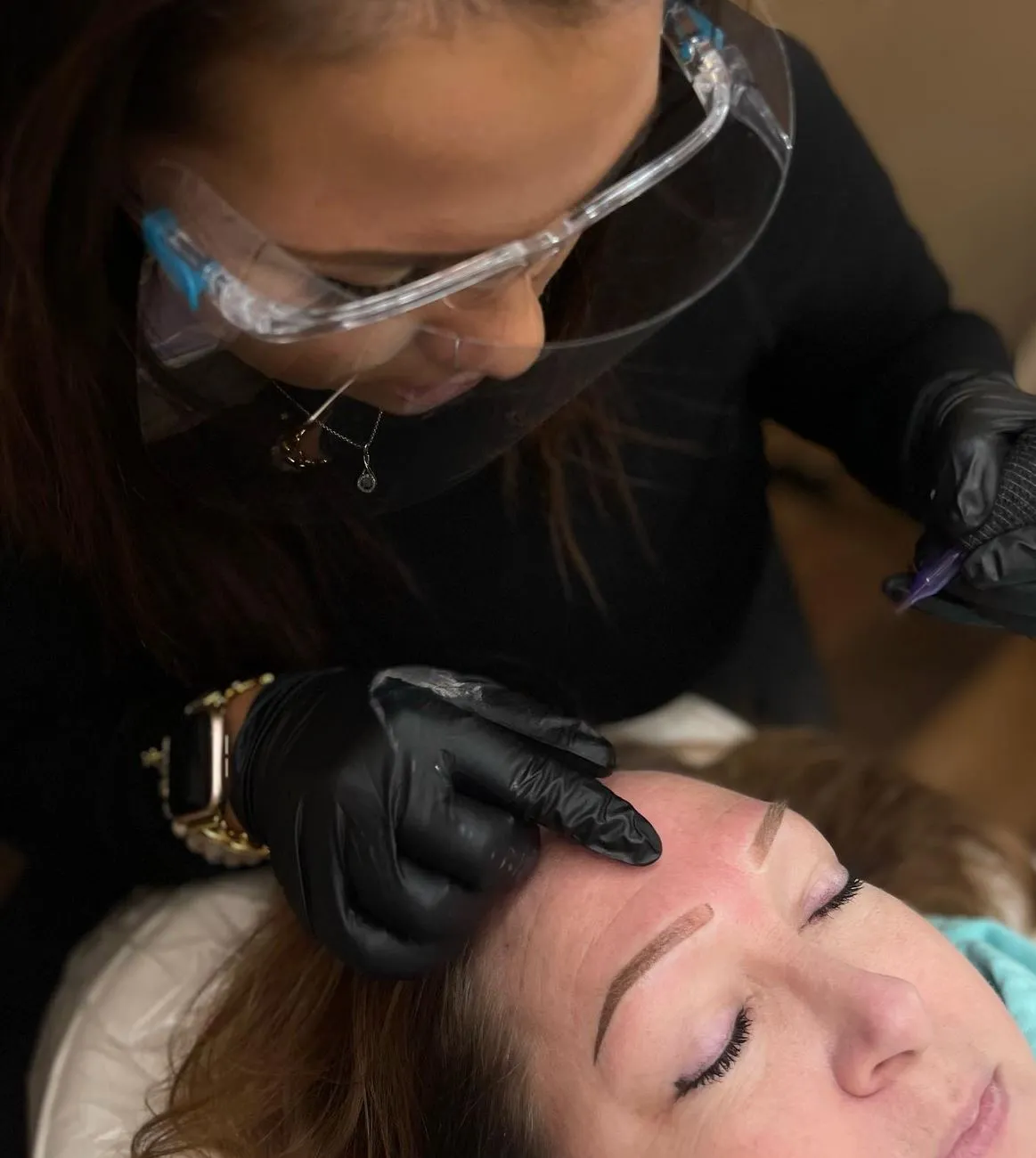
Licensing isn’t just paperwork — it’s proof your Cosmetic Tattoo Artist has met strict hygiene, safety measures and training standards. In Australia, eyebrow tattooing is considered a skin penetration procedure. That means the work involves breaking the skin’s surface, and with that come risks of infection if not done properly. A licence ensures the artist has completed a recognised cosmetic tattoo course, has an infection control certificate and works in a registered, inspected environment. These requirements protect you — and they protect the cosmetic tattooing business from reputational damage.
State by State
Every state and territory in Australia has its own public health regulations for cosmetic tattooing. While Queensland’s requirements might be different to Victoria’s, the common thread is that practitioners must be trained through a registered training organisation and studios must meet strict hygiene standards.
| State/Territory | Do You Need a Licence? | Key Requirements |
|---|---|---|
| Queensland | Yes | Infection control qualification, council approval of premises, and basic hygiene compliance |
| New South Wales | Yes | Skin penetration licence, compliance with Public Health Regulation, safety measures in place |
| Victoria | Yes | Local council registration, compliance with the Health and Wellbeing Act, disinfection techniques |
| South Australia | Yes | Notification to SA Health: hygiene and insurance coverage standards met |
| Western Australia | Yes | Licence from local government, infection control training, and cosmetic tattooing business registered |
| Tasmania | Yes | Business registration, hygiene compliance, public liability insurance |
| ACT | Yes | Registration under the Public Health Act, completion of the tattooing techniques training program completion |
| Northern Territory | Yes | Licence under local health regulations, safety and hygiene measures in place |
What a Properly Licensed Studio Looks Like
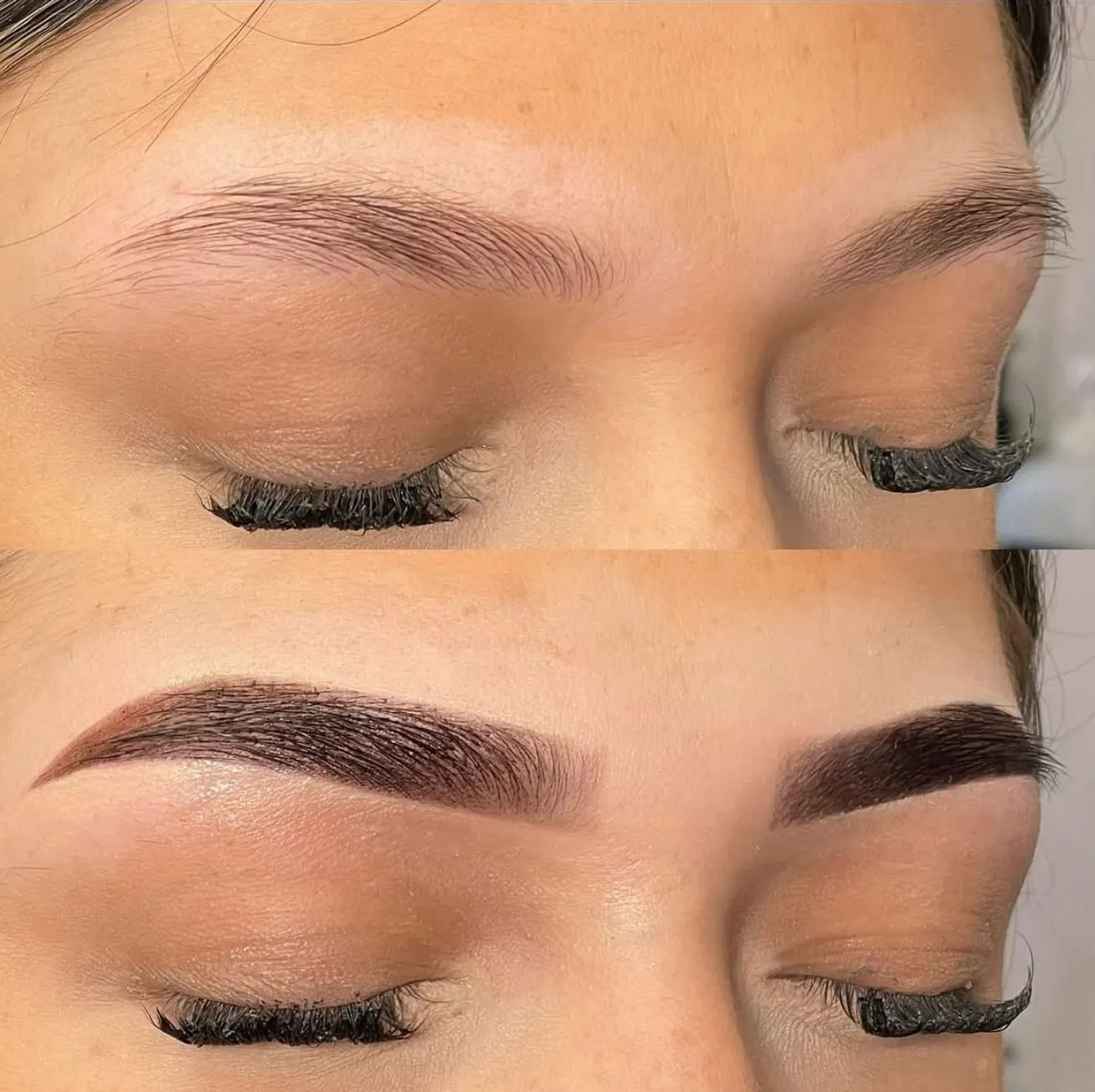
In our Brisbane studio at Cosmetic Tattoo Studio Brisbane Face Figurati, licensing means:
- Council-approved treatment rooms with easy-to-clean surfaces
- Sterile, single-use needles and machine parts for eyeliner tattooing, powder brows or microblading services
- Documented disinfection between every client
- Proper waste disposal for sharps and contaminated materials
- Detailed client consent forms and record-keeping for all cosmetic tattooing procedures — from outer lips to dermal anchors
- Use of a special pigment matched to your skin tone and facial features
Training and Certification You Should Expect
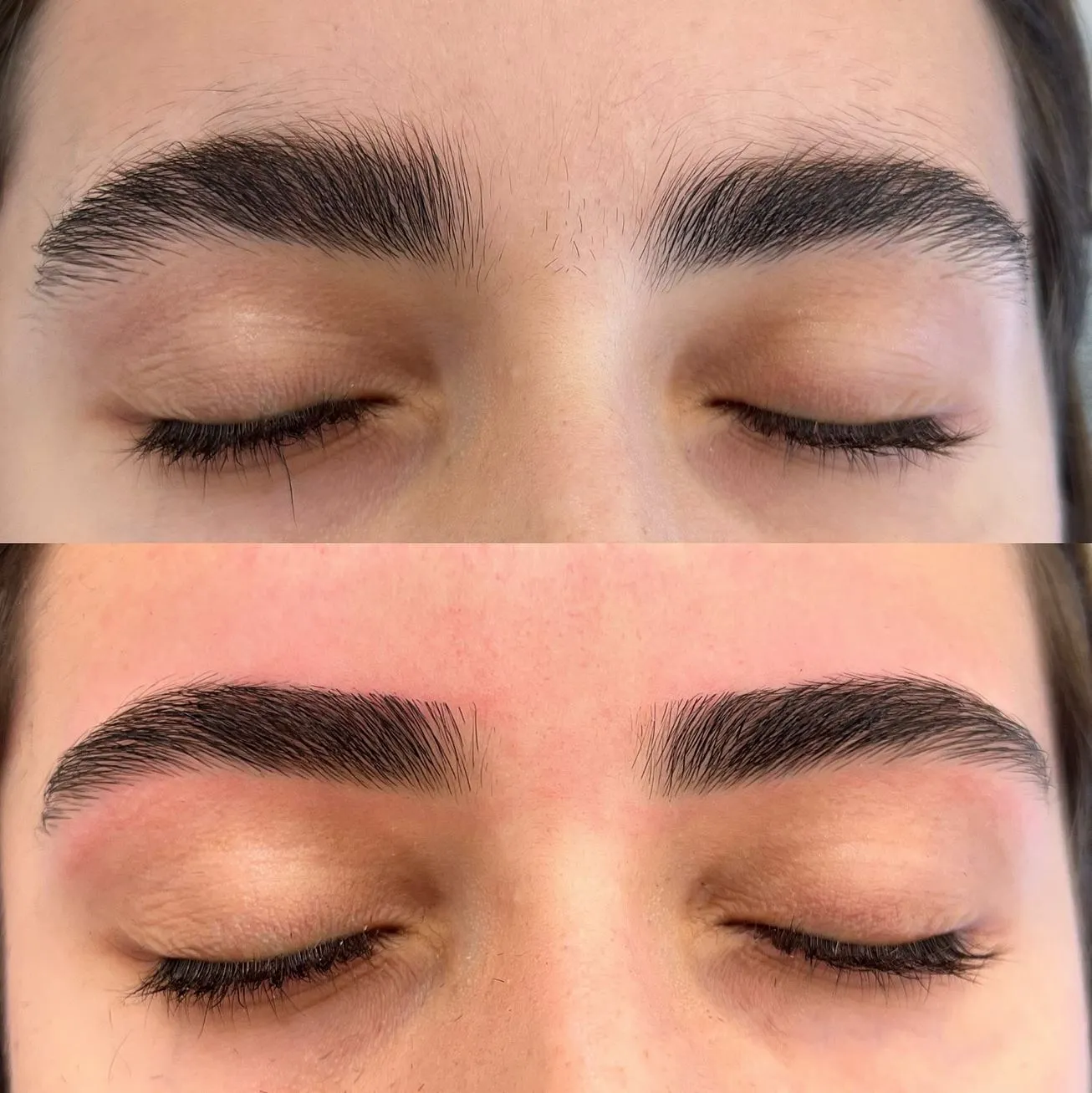
Any legitimate Cosmetic Tattoo Artist will have:
- Completed a recognised cosmetic tattoo course from a registered training organisation
- Current infection control certificate
- Structured training program covering tattooing techniques, pigment safety and skin types
- Practical experience in services like eyeliner tattooing, microblading services and lip tattooing
- Diploma in beauty therapy or relevant beauty qualifications
- Ongoing professional development in safety measures, disinfection techniques and colour correction
At Cosmetic Tattoo Studio Brisbane Face Figurati, we also offer eyebrow tattoo training for aspiring artists, so they learn best practice hygiene, safety protocols and design skills to meet client expectations. Building a successful cosmetic tattoo business takes not just skill but business skills and a solid business plan.
The Risk of Going to an Unlicensed Artist
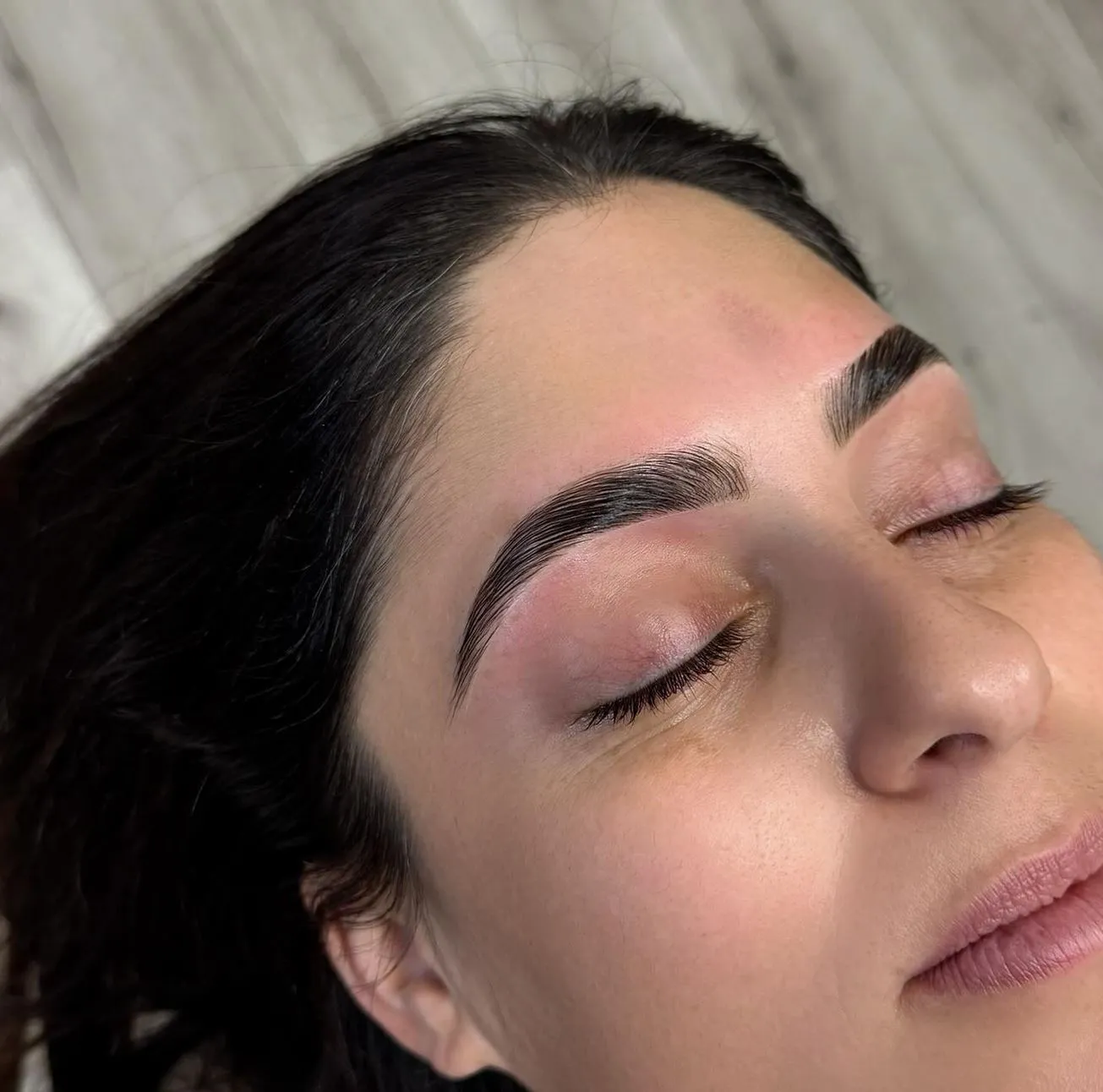
We’ve seen the damage firsthand — from uneven brows and scarring to infections caused by poor hygiene. Without proper licensing, there’s no guarantee your artist knows basic hygiene or uses approved equipment. Fixing bad work is often more expensive (and painful) than getting it right the first time, especially in a competitive market where your cosmetic tattoo business’s reputation matters.
How to Check Your Artist’s Licence and Credentials
Before booking, ask to see:
- Their infection control certificate
- Proof of training from a recognised cosmetic tattooing course or training organisation
- Council registration for the studio
- Public liability insurance details
A professional won’t hesitate to show you these — in fact, they’ll probably have them displayed.
Why Licensing Matters
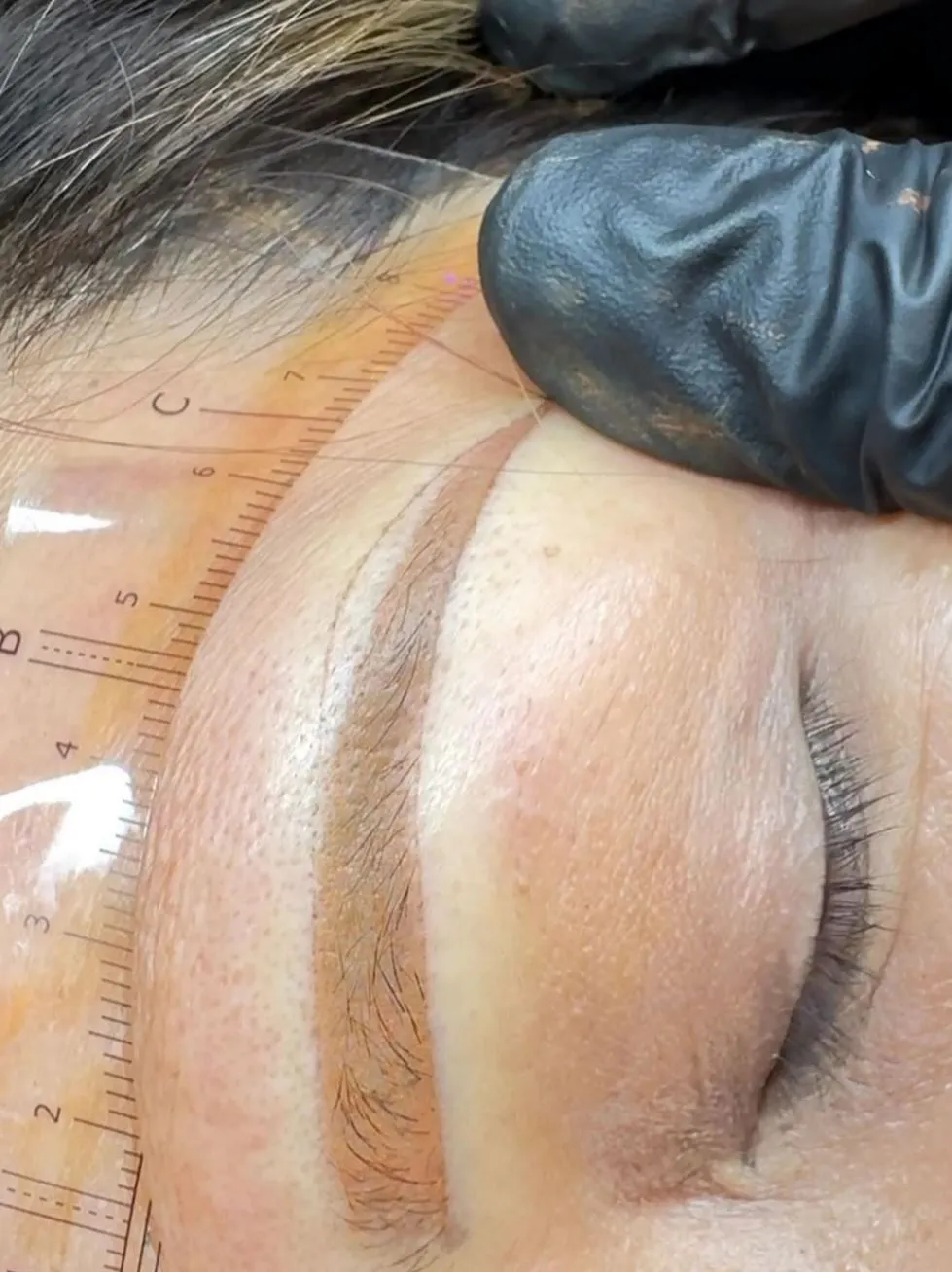
Licensed artists follow a process:
- Consultation — talking about your facial features, pigment choice and what you want to achieve
- Preparation — skin cleansing, numbing (if used), sterile setup
- Tattooing — precise tattooing techniques matched to your skin type and desired style
- Aftercare advice — healing timelines, what to avoid, when to book your touch-up
When these steps are followed, your results are safer, longer-lasting and more predictable.
Healing Timeline for a Licensed Brow Tattoo
| Week | What You’ll See | Care Tips |
|---|---|---|
| 1 | Brows look darker and more defined | Keep clean, avoid moisture and makeup |
| 2 | Flaking/peeling begins | Don’t pick, let flakes shed naturally |
| 3–4 | Colour softens and settles | Follow aftercare, use SPF |
| 6 | Touch-up appointment if needed | Adjust shape/colour if necessary |
Licensing and Insurance Go Hand in Hand
In Australia, a licensed cosmetic tattooist should also have public liability insurance and treatment risk coverage. This covers both the artist and the client in case of unexpected events. At Cosmetic Tattoo Studio Brisbane Face Figurati, our top-of-the-line insurance covers every procedure we do, including powder brows, eyeliner tattooing and lip tattooing.
Business Perspective
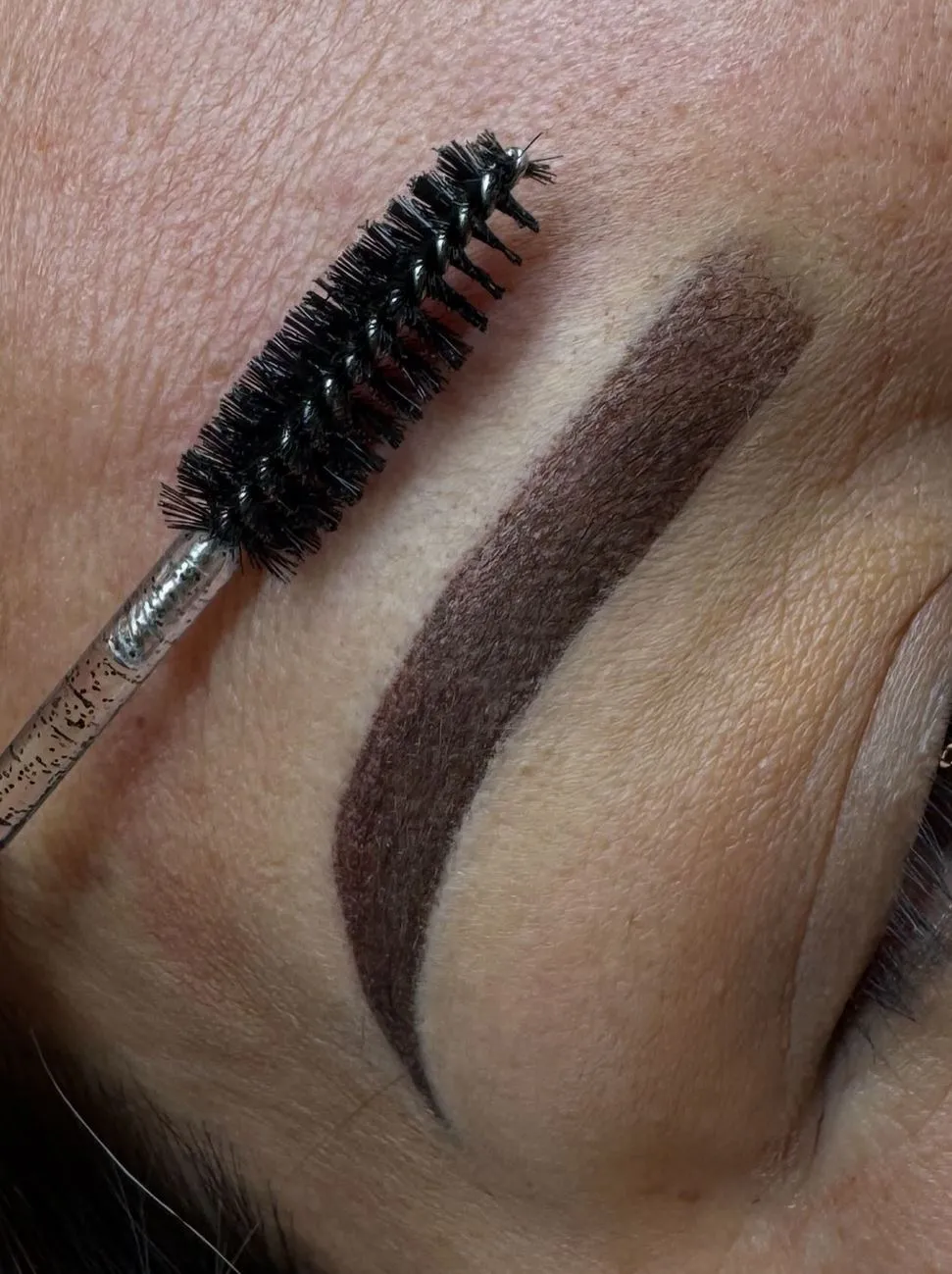
If you’re starting your own cosmetic tattoo business, licensing is part of your business plan. It’s also a selling point in a growing market — according to industry estimates, cosmetic tattooing is one of the fastest-growing segments in the beauty industry. Clients are more likely to choose an artist who can show they meet every requirement, from infection control certificates to insurance coverage. Eyebrow tattoo training, when paired with licensing, gives you credibility and the skills to stand out in this competitive field.
Key Takeaways Before You Book
- In every state and territory in Australia, eyebrow tattooing requires licensing.
- Licensing means hygiene, training and safety compliance.
- Always check your artist’s credentials before you commit.
- Choosing a licensed professional protects your health and your investment.
Final Thoughts — From Our Chairs to Yours
At Cosmetic Tattoo Studio Brisbane Face Figurati, we believe licensing isn’t a hurdle — it’s a promise. It’s how we show our clients in Brisbane that their safety and satisfaction come first. If you’re thinking of booking an eyebrow tattoo, make sure your artist can prove their training, licensing and hygiene standards. And if you’re an aspiring artist, our eyebrow tattoo training programs can help you start a career with the right skills, qualifications and industry credibility. It’s your face — and it deserves nothing less.
FAQ
Can I get my brows tattooed at home by an unlicensed friend?
Technically, yes, but it’s not safe and illegal in most places without proper licensing.
Do mobile brow tattoo artists need a licence?
Yes — and council approval for each location they work from.
Is microblading covered under the same rules as eyebrow tattooing?
Yes — it’s considered a form of cosmetic tattooing.
What happens if a studio operates without a licence?
They can get fined, shut down and sued.
How often should a licensed artist renew their infection control certificate?
Every 12 months is best practice.