So you’re asking, “How can I prevent my fine line tattoo from fading?” You’re already one step ahead. Fine line tattoos are minimalist, delicate and precise—but they require special care if you want them to stay crisp, sharp and visible for years to come.
I’m Olha Po, a certified cosmetic tattooist and founder of Cosmetic Tattoo Studio Melbourne Face Figurati. I see clients every week with tattoos that have blurred, blown out or faded into oblivion—not always because of bad artists, but because no one told them how to look after them properly. Whether it’s a minimalist design on your wrist or one of those popular single-needle tattoos you found on social media, every ink choice deserves expert aftercare.
So let’s get into it: why fine line tattoos fade faster, what actually keeps them fresh and what I tell every client who wants their design to look good not just next summer, but a decade from now.
Thin Lines, Big Risks: Why These Tattoos Need Extra TLC

Fine line tattoos are gorgeous but they sit right on the edge of permanence.
Their ultra-thin strokes—often created using a single needle or fine tattoo machines—use less ink, sit more shallow in the skin and have little to no bold shading to support them. That means even minor fading or ink migration can distort the look. Unlike larger tattoos or bold traditional tattoos that are more forgiving, fine-line and minimalist designs need real precision in the tattooing process.
Melbourne’s strong UV exposure doesn’t help either. Even the best done fine line work can fade or blur faster in our sun-drenched climate if you’re not careful. Sun exposure doesn’t just mess with ink colour—it triggers your immune system to treat the ink like a foreign body.
If you’ve been searching for a fine line tattoo in Melbourne locals trust to last, placement, sun habits and artist experience matter more than you think.
Tattoo Placement Matters More Than You Think
Where your tattoo lives plays a huge role in how it ages. Areas that move often, rub against clothing or get sun exposure will fade faster—especially with fine line work or single-needle tattoos.
| Placement Area | Risk of Fading | Reason |
|---|---|---|
| Fingers/Hands | High | Constant washing, sun, friction |
| Ankles/Feet | High | Rubbing from socks/shoes |
| Forearms | Medium | Moderate sun, movement |
| Upper Thighs | Low | Less UV, less friction |
| Behind Ears | Low | Minimal exposure/movement |
Finger tattoos are a classic example—they look amazing in the tattoo parlour under bright lights, but they get battered in real life. Choose your placement like you’d choose a haircut: based on lifestyle habits and how much maintenance you’re willing to do.
Aftercare: The Real Make-or-Break Phase
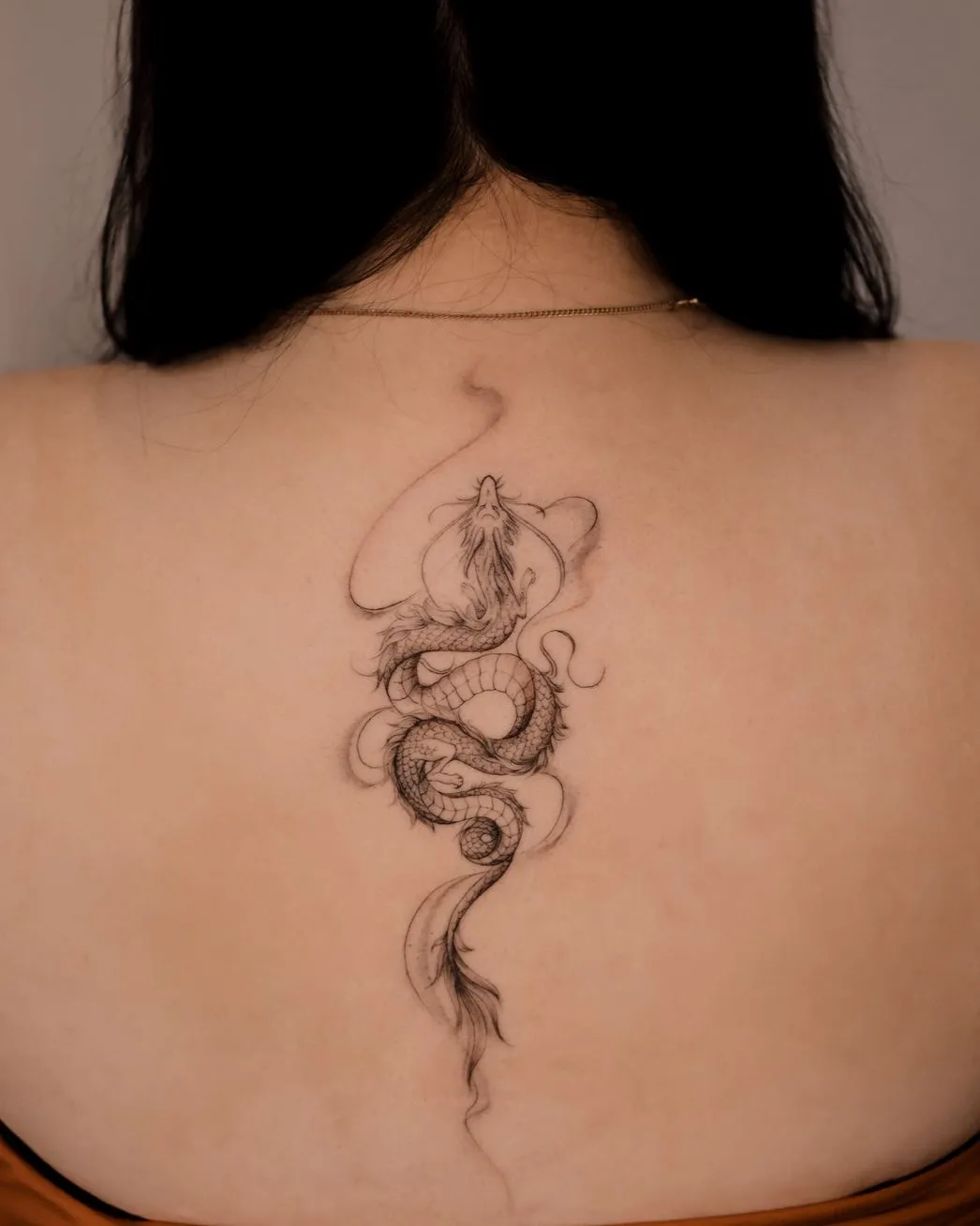
I can’t say this enough: aftercare is everything. It’s not just slapping on some ointment and calling it a day. How you treat your healing tattoo during the first few weeks (usually 2–4) makes or breaks how well it holds.
Here’s the healing timeline I share at Cosmetic Tattoo Studio Melbourne Face Figurati:
Week 1: The “Oh God, It’s Leaking” Stage
- Gently wash with unscented soap 2x/day
- Pat dry with a clean towel or paper towel
- Apply a thin layer of fragrance-free, skin-friendly aftercare products
- Avoid sweating, swimming, baths and excess sun exposure
Week 2: The Flaky Patch Phase
- Expect light peeling or flaking (don’t pick!)
- Reduce balm to once daily if skin feels oily
- Avoid tight clothing, sun and harsh products
Week 3–4: Let It Breathe
- Keep moisturising if dry
- No tanning, ocean, saunas yet
- Wear SPF if exposed to the sun
Some clients swear by calendula oil for soothing flaky patches in later stages, especially if their skin type is dry.
Sun: Your Tattoo’s Silent Enemy
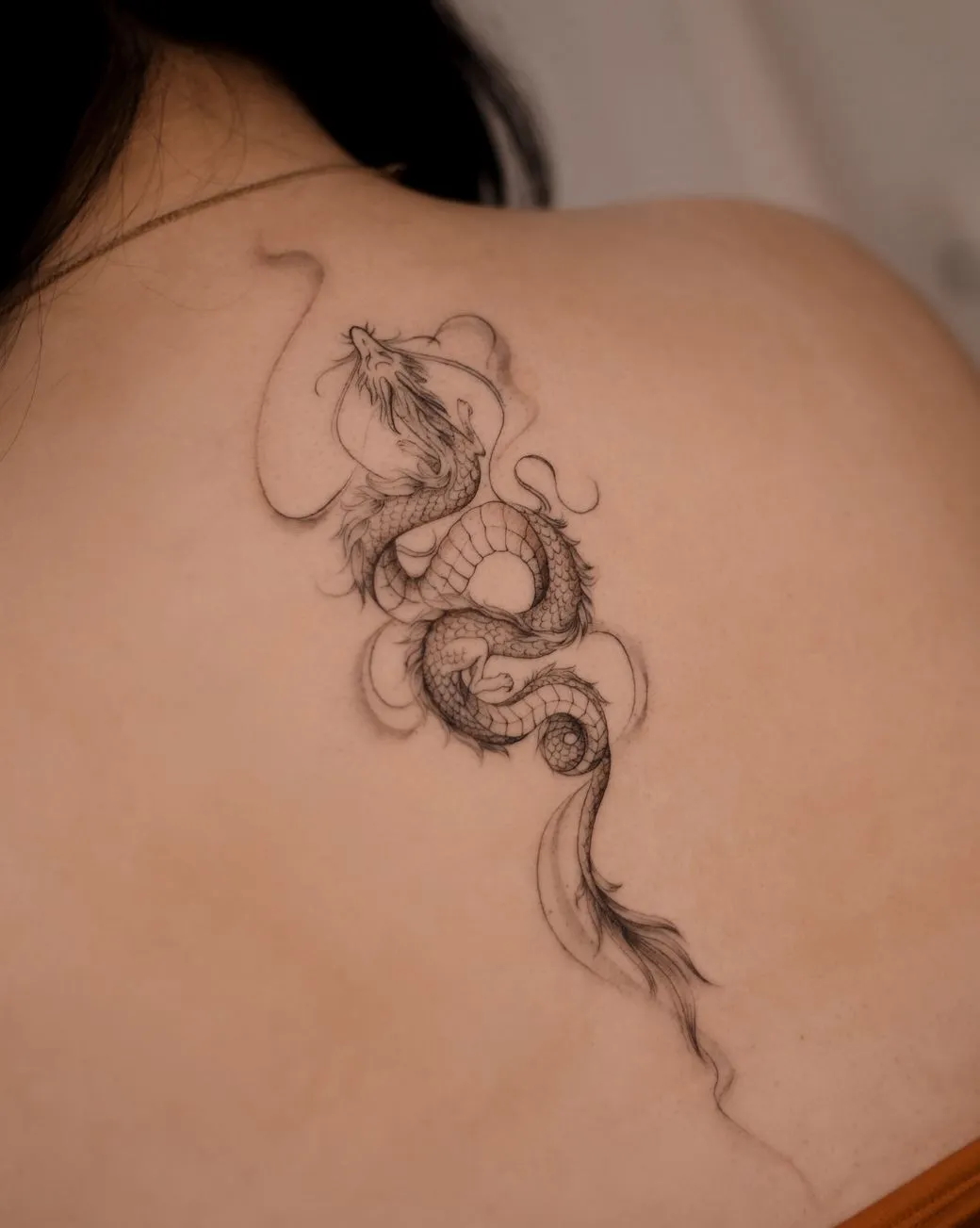
UV rays are the number one reason tattoos fade prematurely—and fine lines are even more vulnerable. One study published in Clinical, Cosmetic and Investigational Dermatology found that UV exposure can break down tattoo ink particles and trigger an immune response, which speeds up fading over time.
My Rule: If your tattoo is healed and it’s in the sun, it needs SPF 50. No exceptions.
Bonus tip: Zinc-based sunscreens are less likely to irritate sensitive skin or trigger fading reactions. Regular sun exposure can also increase the risk of skin cancer, especially in tattooed areas, if you skip SPF.
Skin Type and Lifestyle Also Matter
Your skin doesn’t just wear the ink—it affects how well it holds it.
- Oily skin: Can “push out” ink faster in very shallow tattoos
- Dry skin: Prone to flaking and ink loss during healing
- Ageing skin: Loses elasticity, which can blur fine lines over time
- Highly active clients (runners, tradies, etc.): Constant sweat + friction = higher fading risk
Even the best tattoo inks won’t stand a chance if your lifestyle habits aren’t aligned with healing time and upkeep. Let your tattoo artist know about your skin type before the appointment so they can adapt.
Want to Go the Extra Mile? Try These Long-Term Habits
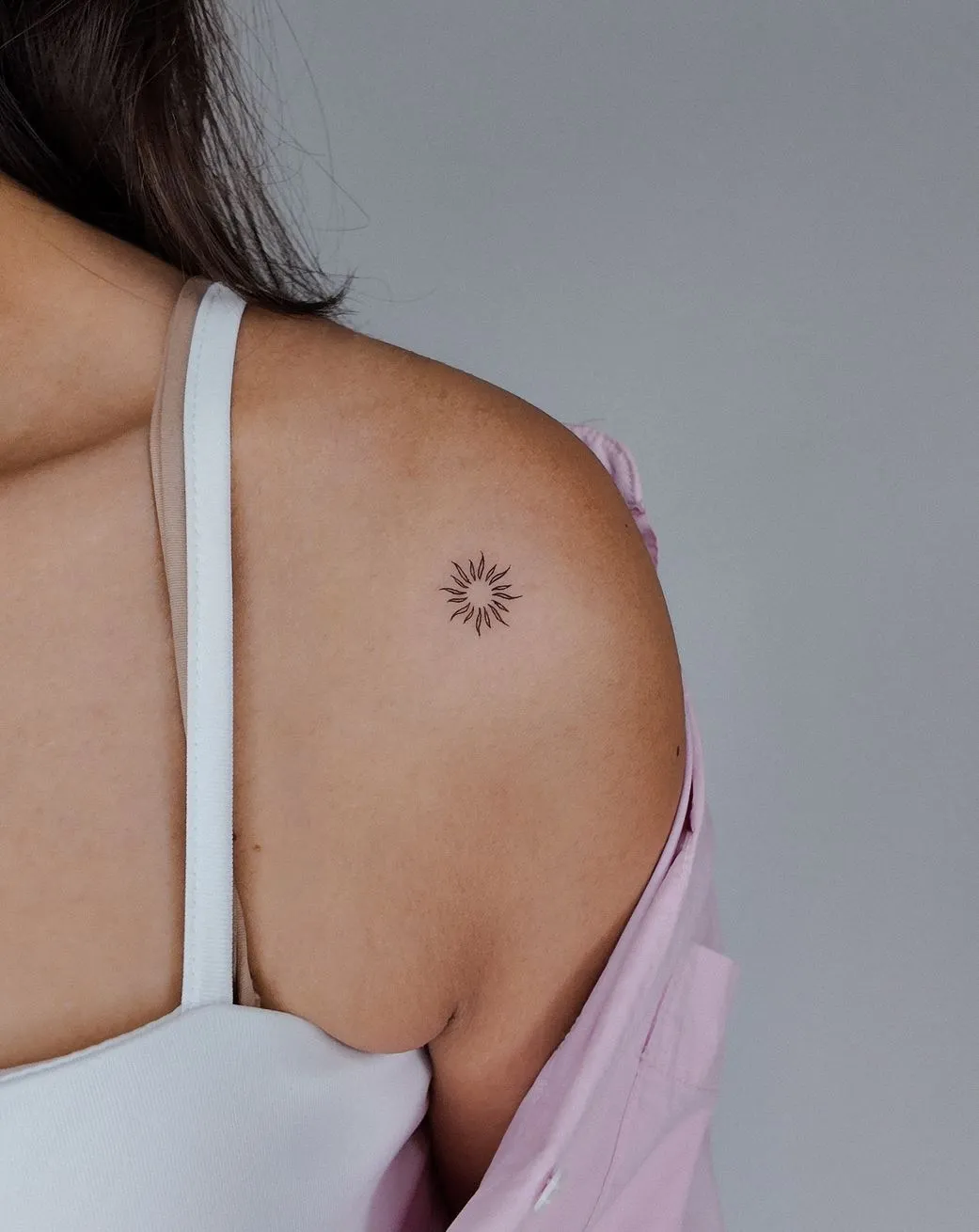
Most clients think fading is only about the first few weeks, but it’s your daily habits that determine how well your ink holds up.
- Moisturise regularly: Hydrated skin = better ink retention
- Wear loose, breathable clothing: Especially in summer, to reduce rubbing
- Exfoliate gently: Once healed, occasional light exfoliation keeps the skin fresh (just avoid harsh scrubs)
- Avoid harsh actives: Acids, peels and retinols near tattooed areas can cause fading
- Touch-up timeline: Don’t wait too long if lines start softening—a quick top-up every 1-3 years keeps them sharp
At Cosmetic Tattoo Studio Melbourne Face Figurati, we guide every client through the dos and don’ts of daily care so that your fine line tattoo Melbourne friends envy still looks clean and sharp long after the initial glow wears off.
Studio Skill Still Counts
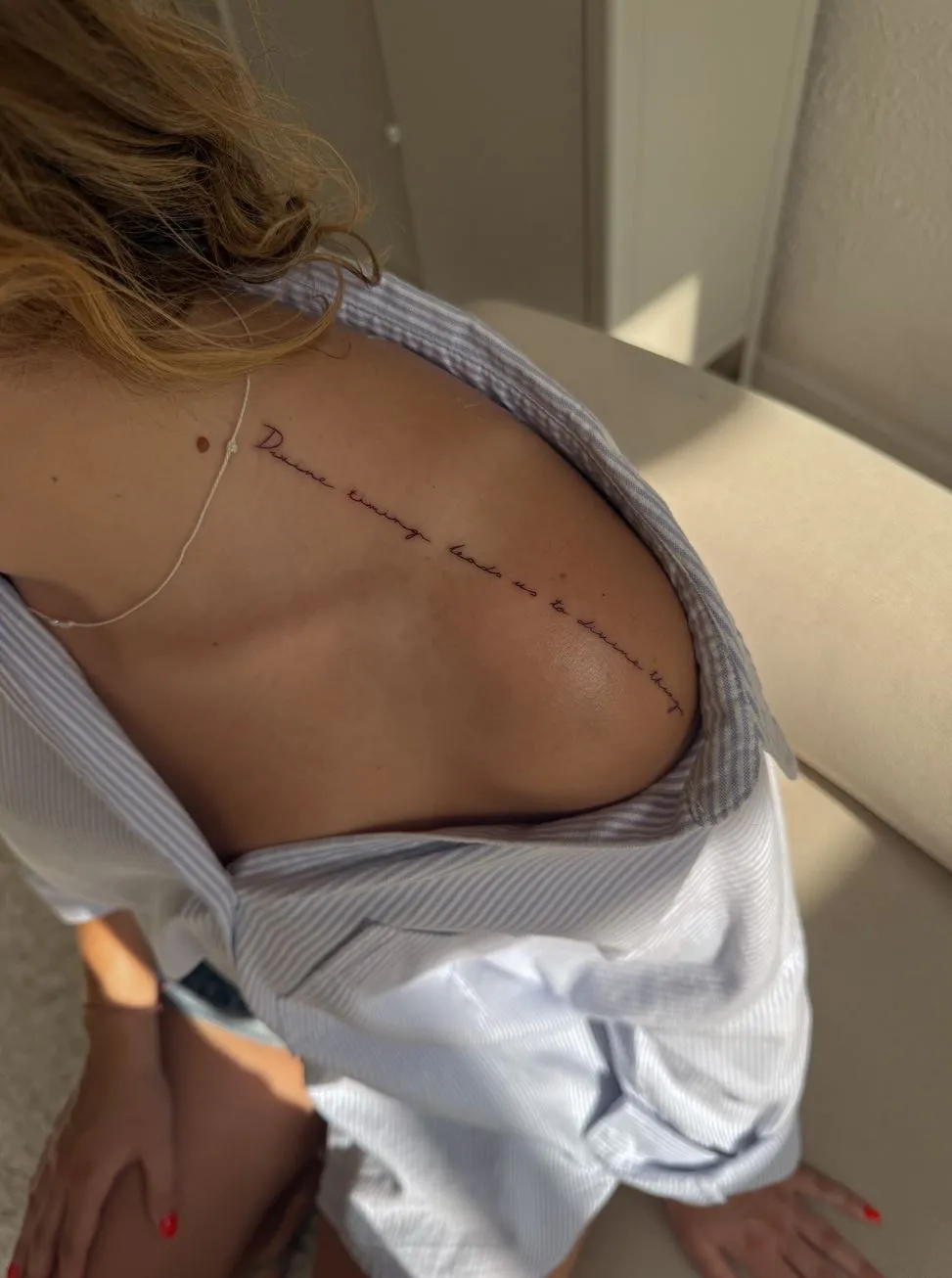
Even with perfect care, a tattoo done with poor technique will fade faster.
At Cosmetic Tattoo Studio Melbourne Face Figurati, we use professional-grade tattoo machines and certified ink that works well for fine line, blackwork tattoos and geometric designs. Each design is matched to the client’s skin tone, lifestyle and placement. It’s not about tattooing deeper—it’s about knowing how deep not to go to prevent blowouts and early fading.
- Their experience with single needles
- Tattoo machine settings
- Types of tattoo inks used
- How do they adapt designs for different skin types
And don’t be afraid to request healed photos from past clients—not just fresh ones.
Final Thoughts from Olha
If you’re getting a fine line tattoo, you should know what it takes to keep it looking its best. It’s not just about healing creams and good ink—it’s about consistent care, seasonal sun protection and working with an artist who knows how delicate this style really is.
Need help deciding where to place your fine line tattoo or wondering if your skin type is suited? Pop into Cosmetic Tattoo Studio Melbourne Face Figurati—I’m happy to walk you through it.
FAQ
How long do fine line tattoos last before fading?
With proper care and good technique fine line tattoos can last 3-5 years before needing noticeable touch-ups. Poor placement or aftercare can halve that.
Can I get my faded fine line tattoo fixed?
Absolutely. We often refresh faded ink by reworking the linework or layering with additional detail—as long as the skin isn’t too scarred or overworked. Sometimes we recommend a cover-up using a bolder style.
Is it better to avoid thin line tattoos altogether?
Not if you’re realistic. They’re not as long-lasting as bold traditional tattoos but with care they still look beautiful years down the track.
Does skin tone affect fading?
Yes—deeper skin tones may require slightly thicker lines for visibility, while very fair skin may show more pigment change over time. A skilled artist will adapt accordingly.
Will laser affect fine line ink differently?
Yes. Fine lines use less ink which can make laser removal more effective—but it can also increase the risk of skin discolouration if not handled carefully. Always choose an experienced technician.