So you’ve had a lip neutralization treatment (or planning one) and Googled “Is it safe to kiss after lip neutralisation?” in a panic. You’re not alone. I get asked this all the time in the studio, especially after clients admire their new hue and wonder when they can smooch their partner again. So let’s get real — no vague advice, no clinic fluff, just the honest truth.
I’m Olha Po, a certified cosmetic tattoo artist and founder of Cosmetic Tattoo Studio Melbourne Face Figurati, a boutique studio known for natural, face-flattering cosmetic enhancements. With almost a decade of experience in lip blush, lip neutralisation and neutralising dark lip pigmentation for all skin types — especially melanin-rich lips — I’ve seen how healing works, what can irritate it and yes, how kissing fits into the picture.
Your Lips Need Time — Here’s Why
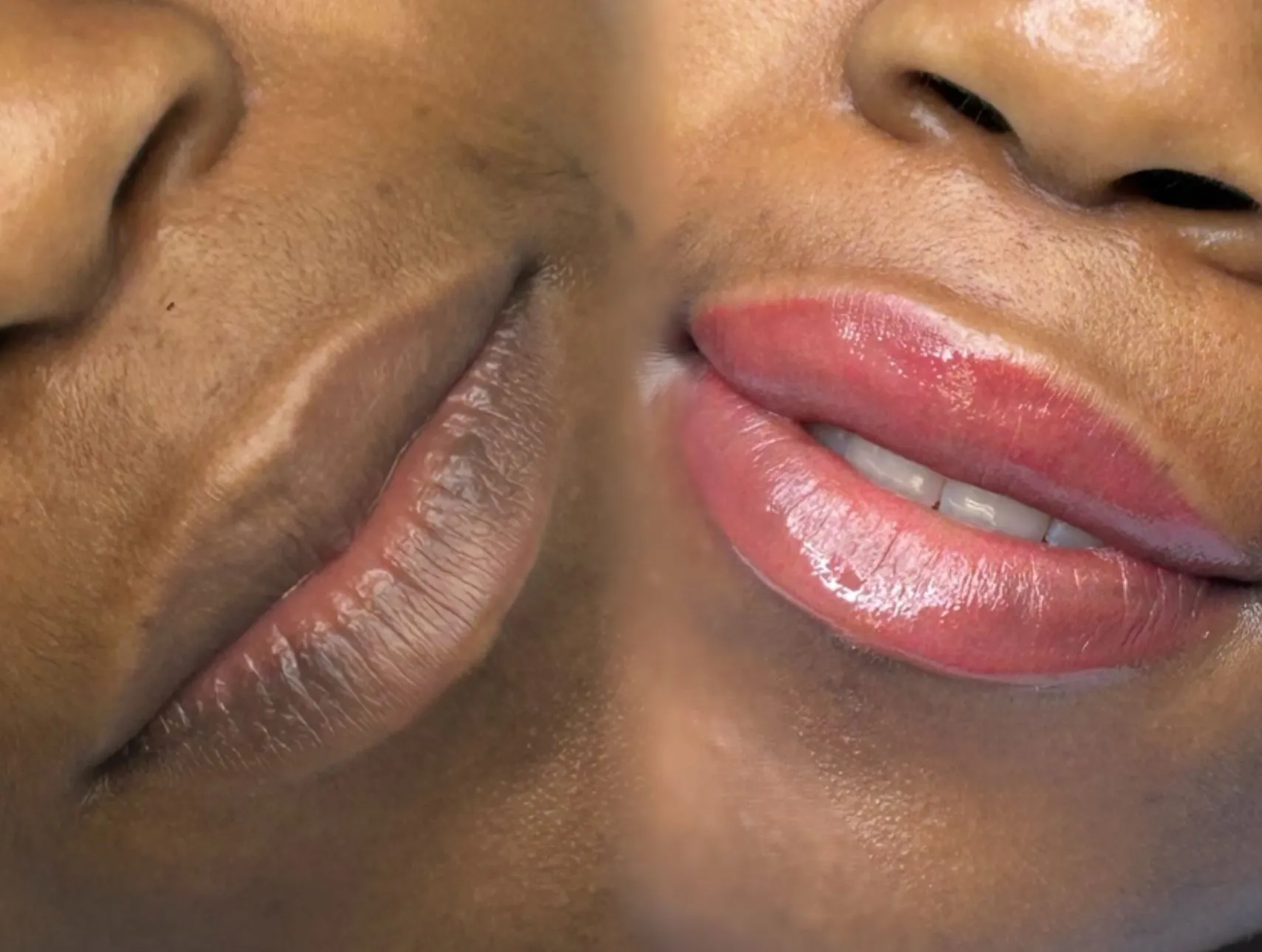
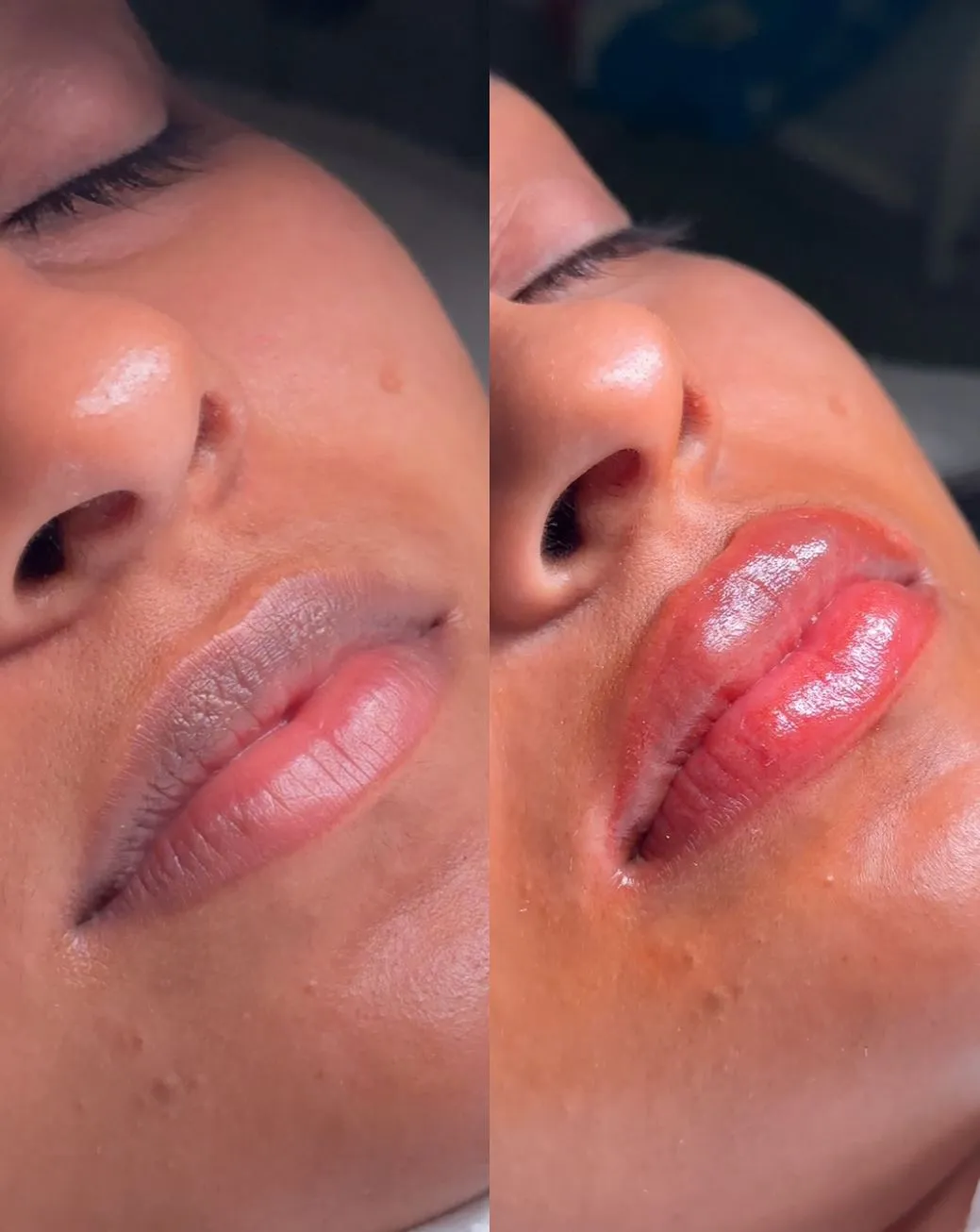
Lip neutralisation isn’t just a tint. It’s a semi-permanent tattoo that adjusts the underlying tones of your lips — especially if they’re darker, cooler or uneven. This cosmetic tattoo treatment uses special pigments and techniques to create a warm, balanced lip colour for future enhancements or to simply boost your natural beauty. Because this tattooing procedure works through layers of lip skin, your lips need some recovery time.
During the healing process the skin is forming a protective barrier (aka scabs and flakes) as the lip pigment settles. This is not the time for friction, pressure, UV rays or any bacteria transfer.
Kissing too early? Think saliva enzymes, fever blisters or cold sore flare-ups — all things that can:
- Disrupt pigment retention
- Increase risk of infection especially if you’re prone to cold sores
- Prolong healing or cause uneven lip colour
Let’s not undo all that beautiful lip blush procedure work for a few minutes of affection.
So When Can You Kiss Again?
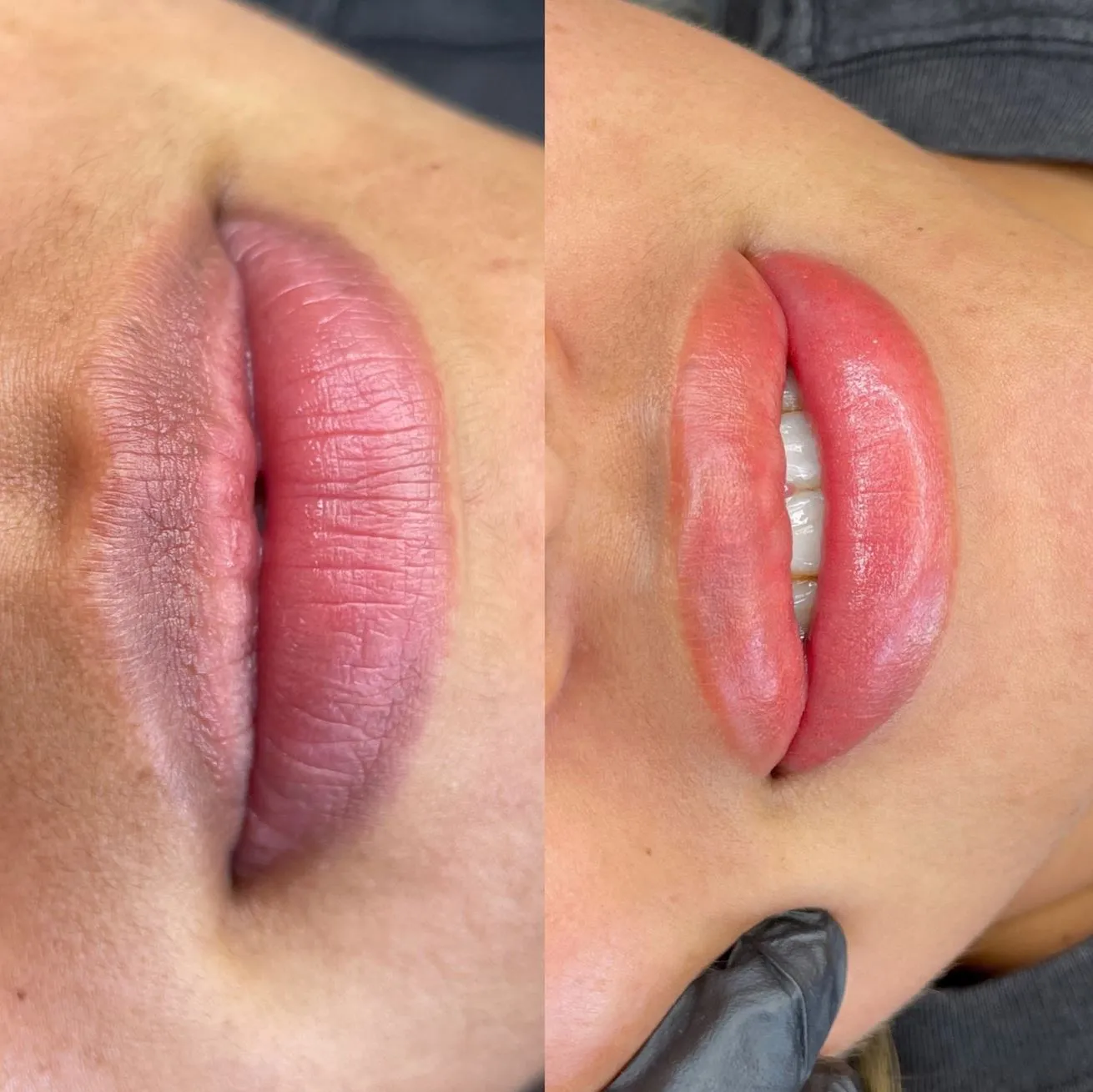
In most cases, I recommend avoiding all lip-to-lip contact (or any kind of pressure) for 7-10 days post-treatment. This allows the outer layer of lip skin to do its job without interference.
If scabbing is still present, wait until it naturally flakes away. No picking. No peeling. And yes — no pashing.
Healing Timeline at a Glance:
| Day | What’s Happening | What to Avoid |
|---|---|---|
| 1 | Lips are swollen, tender, vibrant in colour | Kissing, spicy food, contact lenses, hot drinks |
| 2–4 | Scabbing starts to form, and lips feel tight | Lip pressure, makeup, excessive licking |
| 5–7 | Scabs begin to flake off | Any contact that might disrupt flaking |
| 7–10 | Outer layer healed; pigment settling | Kissing is OK if no scabs remain |
| 14+ | Colour stabilises; inner healing continues | Gentle use of aftercare balm, physical sunscreen encouraged |
But What If I Forget and Kiss Anyway?
Hey, it happens. One quick kiss won’t ruin your cosmetic tattoo — but if you feel discomfort, see any weeping or sudden colour loss, get in touch with your cosmetic tattooing artist.
At Cosmetic Tattoo Studio Melbourne Face Figurati, I always tell clients: listen to your immune system. If your lips sting, burn or feel raw, they’re not ready yet.
Melbourne Factors to Consider
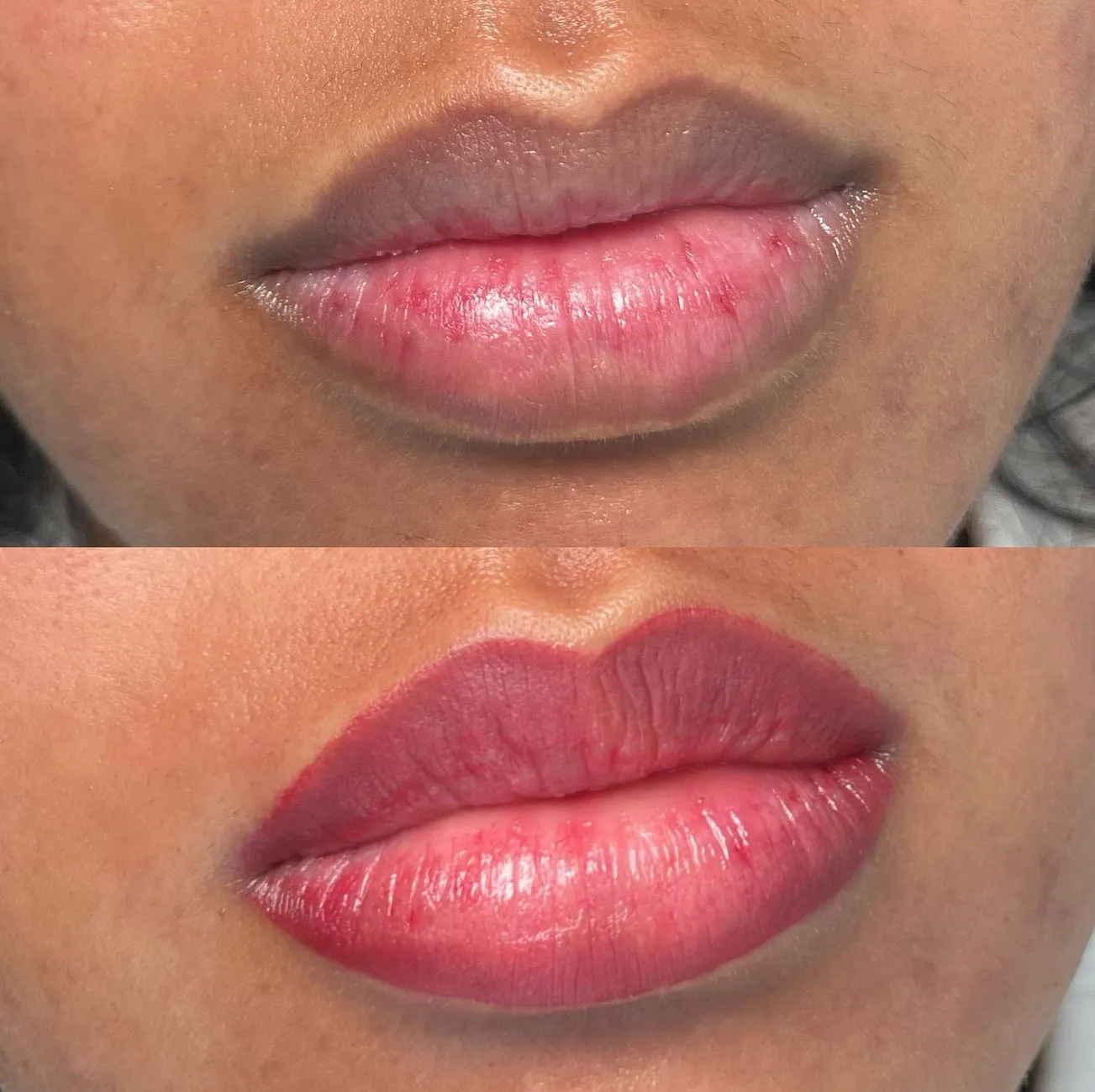
Melbourne’s climate can mess with your lip healing more than you think. Windy days, harsh UV rays and dry winter air suck moisture from the skin faster, so your lips may take a little longer to feel fully comfortable — even if they look healed.
Tip from the treatment room: I’ve seen clients heal beautifully during late spring when humidity is moderate and sun exposure is easy to manage. In peak summer or winter, you’ll want to:
- Apply aftercare balm more frequently
- Avoid long sun exposure and chemical peels
- Hydrate like crazy — inside and out
Hygiene Tips If You Really Must
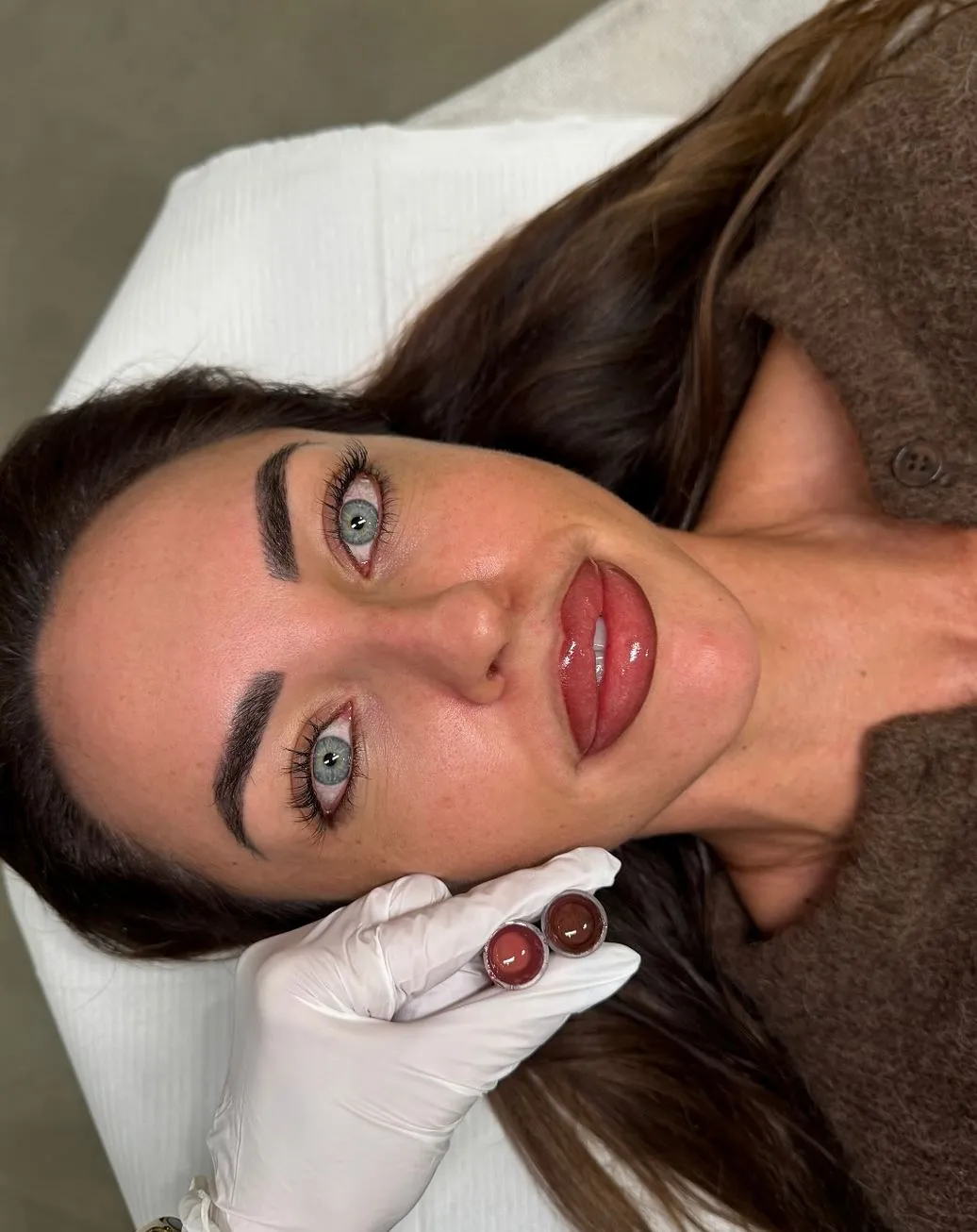
Can’t resist a quick kiss? (We’re only human.) Here’s what I’d suggest to minimise any risks:
- Wash your hands before touching your face
- Gently dab aftercare balm before and after
- Keep it light — no pressure, no tongue, no lipstick
- Avoid kissing if either of you has cold sores, fever blisters or is unwell
- Use saline water compresses if you notice sensitivity
Avoid These Mistakes After Your First Session
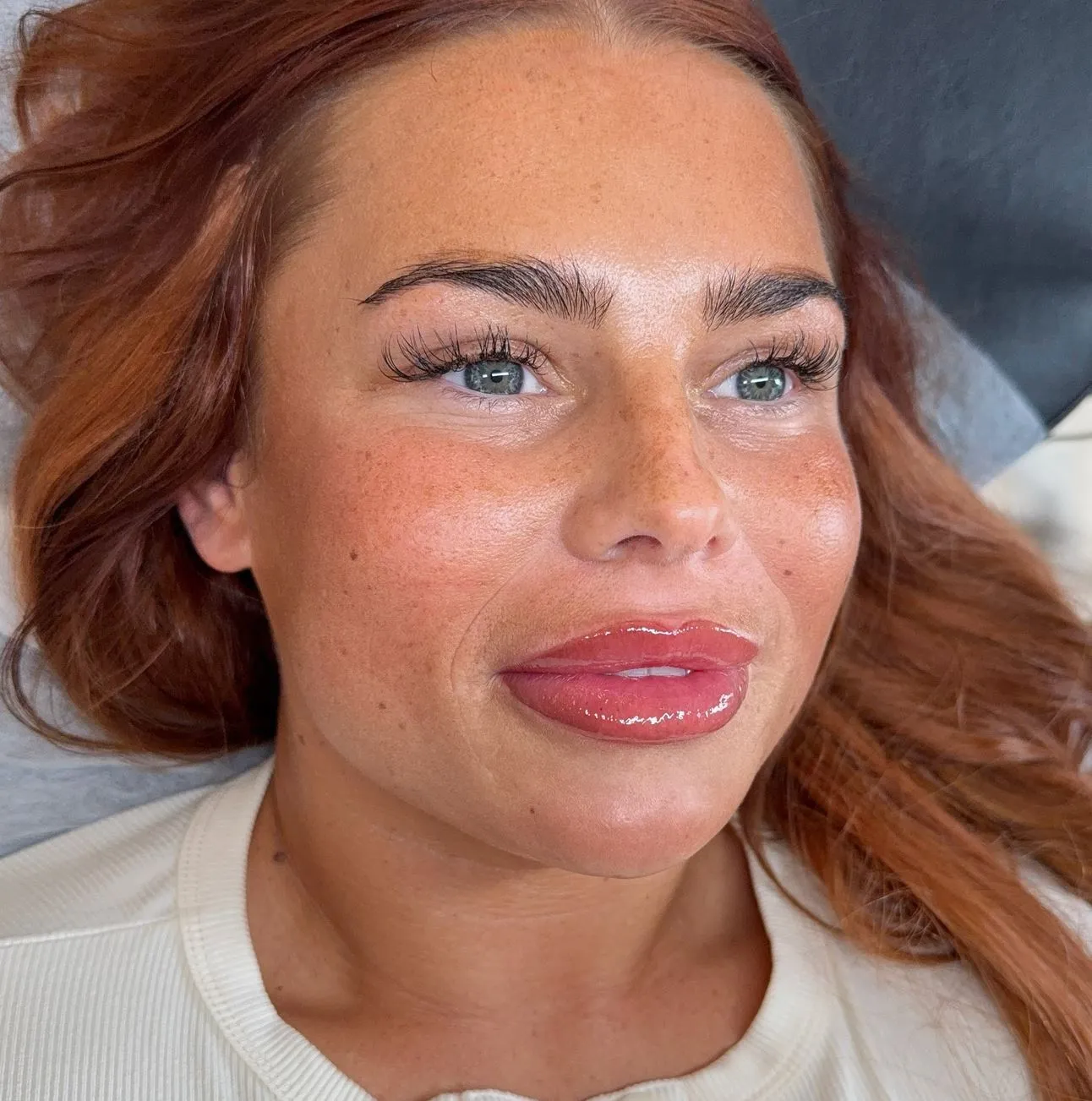
Here’s the truth: most lip neutralisation treatments require more than one session. So that first appointment is setting the base. If healing gets disrupted by infection or trauma (yes, even minor kissing irritation counts), you could:
- Delay your follow-up
- Risk uneven pigment retention
- Need additional correction sessions
Real Talk from the Studio: Client Case
One of our regular clients — let’s call her Dee — came in for a neutralisation on her deep plum lips. Everything was smooth until day four, when she texted me panicked that her bottom lip had gone patchy. Turns out, she’d had a cheeky makeout session the night before.
We had to wait an extra two weeks to reassess, then added a corrective layer at her touch-up. It worked out beautifully in the end, but it could’ve been a smoother ride.
Who’s a Good Candidate for Lip Neutralising?
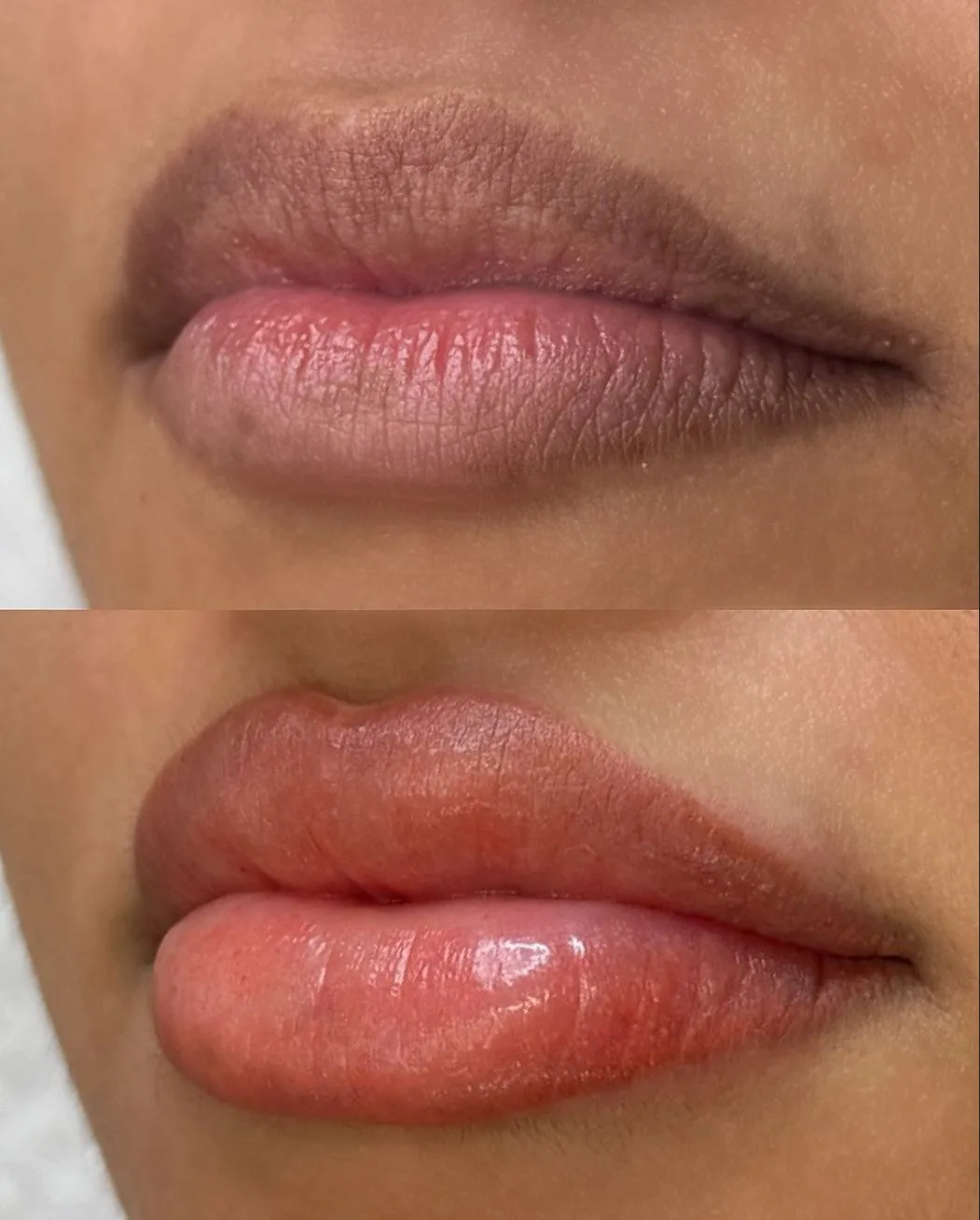
We customise treatments based on your skin type, lip tone, and goals. The Fitzpatrick Scale is one tool we use to assess undertones and how your lips may respond to pigment. If you’ve got dark lip pigmentation, cool tones, or uneven lip borders, you may benefit most from the lip neutralising process.
Already have a lip filler? No worries — we just need to schedule tattooing a few weeks after your filler settles. For clients with a history of keloid scarring, cold sores, or sensitive immune systems, we’ll go over pre-treatment precautions, like using an antiviral if prone to cold sores.
What to Expect From the Cosmetic Tattooing Procedure
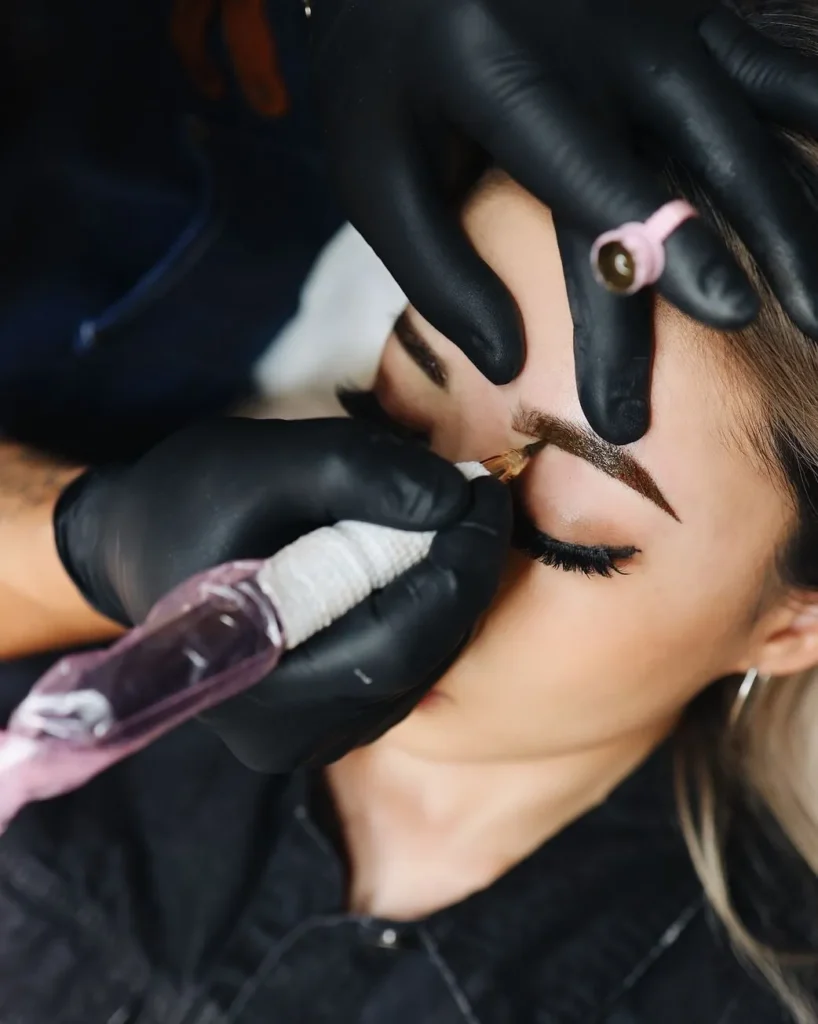
Before we start, we apply a professional numbing cream to keep you comfortable during the session. Then we map out your ideal lip shape, taking into account your natural lip line and symmetry. We use advanced cosmetics machines designed for facial tattooing, especially around sensitive areas like lips and eyeliner tattoo zones.
Expect a soft, watercolour effect rather than a harsh lip liner look — especially during round one. The idea is to gently build your base colour before adding definition.
Lip Care Prep & Aftercare Tips
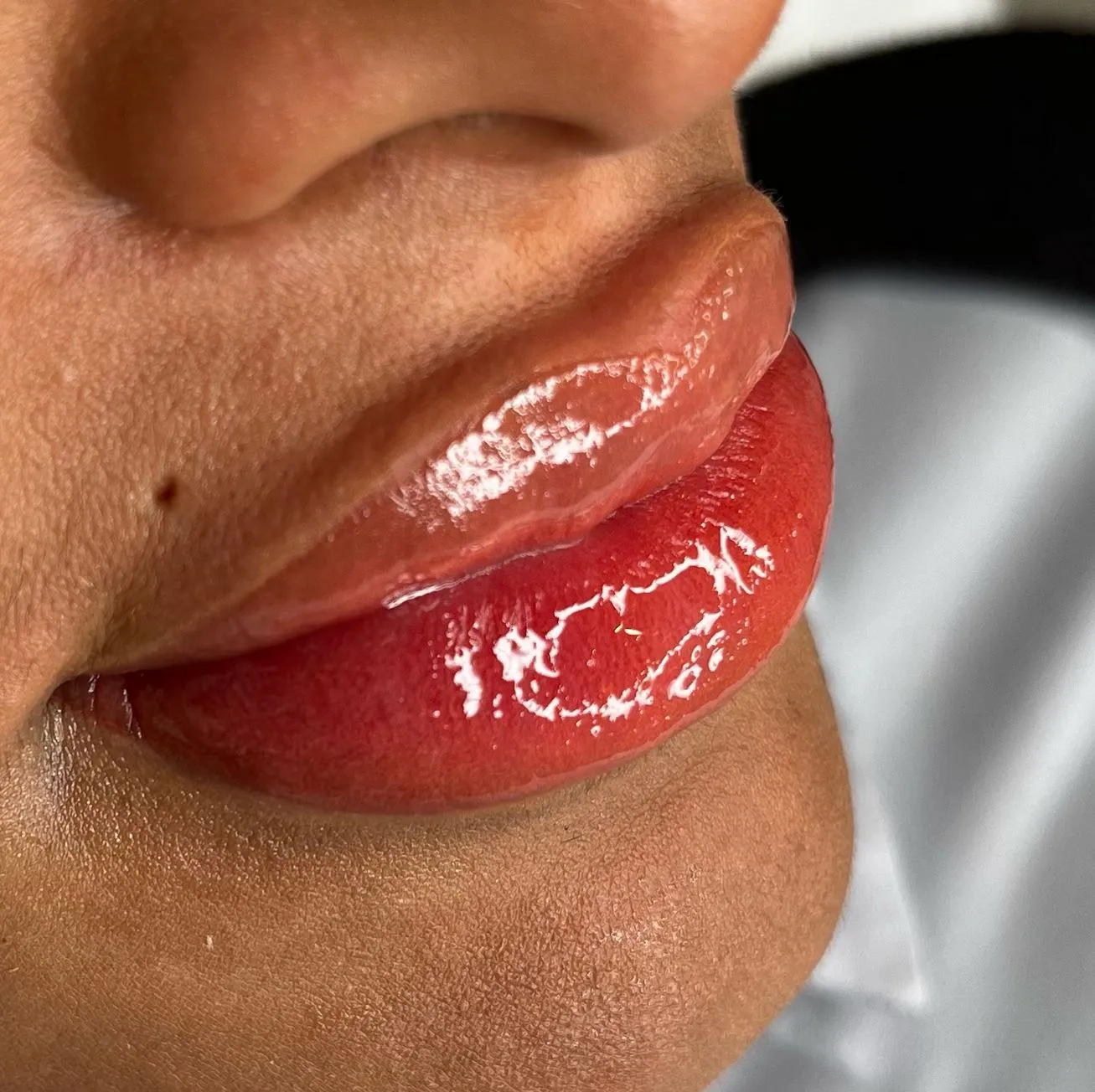
Before Treatment:
- Avoid blood thinners and alcohol for 24 hours
- Exfoliate gently 2 days before
- No lip filler or chemical peels within 2 weeks
- Start an antiviral (if needed) to prevent cold sores
Aftercare Instructions:
- No kissing, touching or makeup for 7-10 days
- Use only the aftercare balm provided
- Apply an ice pack (wrapped) for swelling on day one
- Avoid hot drinks, spicy food, sun exposure and vigorous exercise
- Switch to a physical sunscreen when you’re healed
Final Thoughts
So, can I kiss after lip neutralisation? No, not straight away. Give your lips the time they need. You’ve invested in something that enhances your natural tone, defines your lip shape and makes you feel confident.
The good news? You’ll be kissing (and sipping and smiling) in no time — with better lips.
FAQ
Can I use Vaseline after lip neutralisation?
No. Vaseline is petroleum-based and will block airflow and trap bacteria. Use the aftercare balm your artist recommends.
What if I accidentally kiss someone after treatment?
Don’t freak out. Clean the area with saline water, apply balm and monitor for irritation, swelling or cold sore activity.
Can I kiss my baby on the cheek while healing?
Yes as long as your lips aren’t scabbing and you’re gentle. Don’t know if your baby is unwell.
Is lip neutralisation painful?
Most clients say it feels like light scratching. We use numbing cream to keep you comfortable during the tattooing process.
How long does lip neutralisation last?
After your full sessions are complete, results typically last 2–3 years with proper lip care, sun protection and healthy skin maintenance.